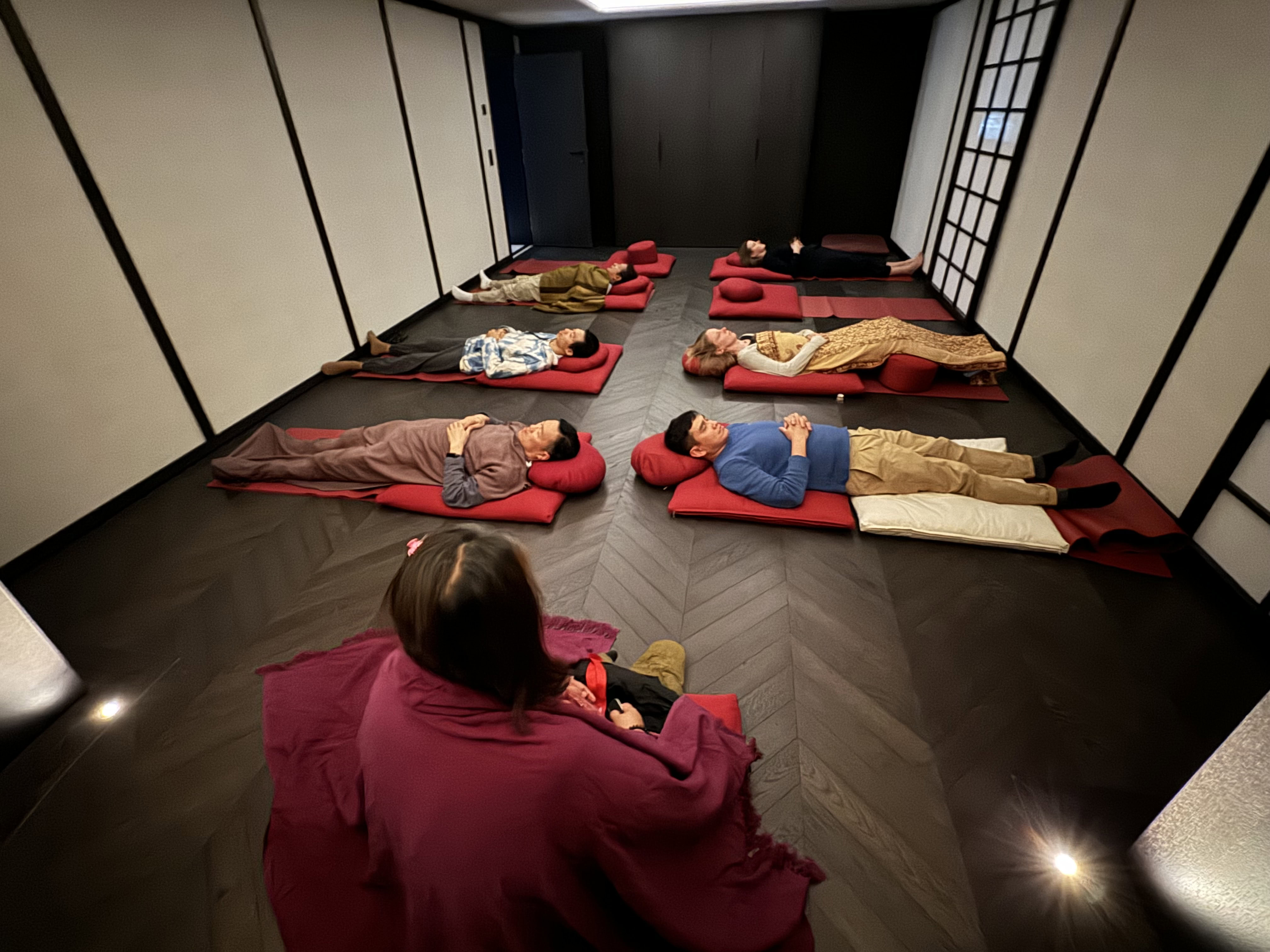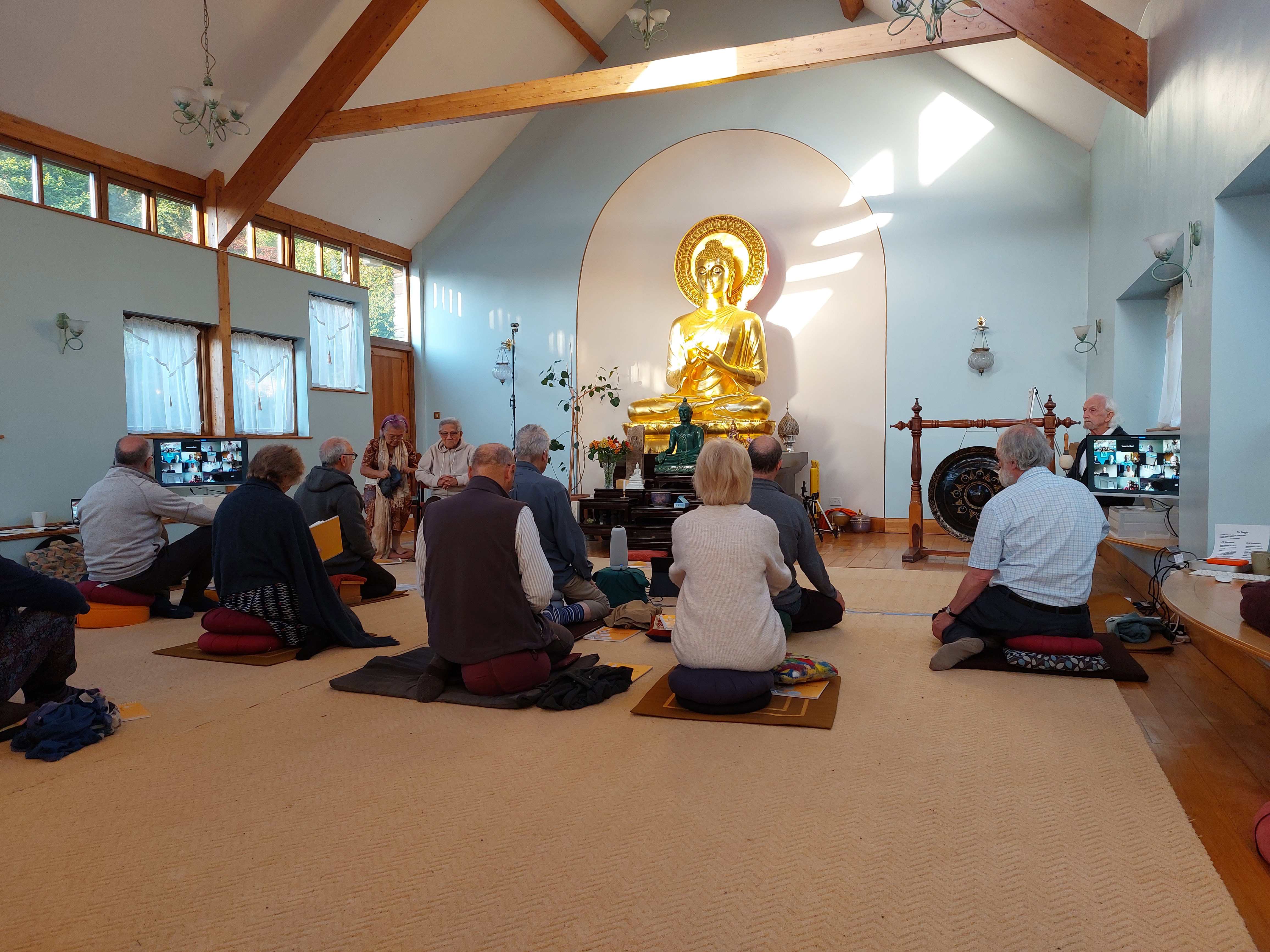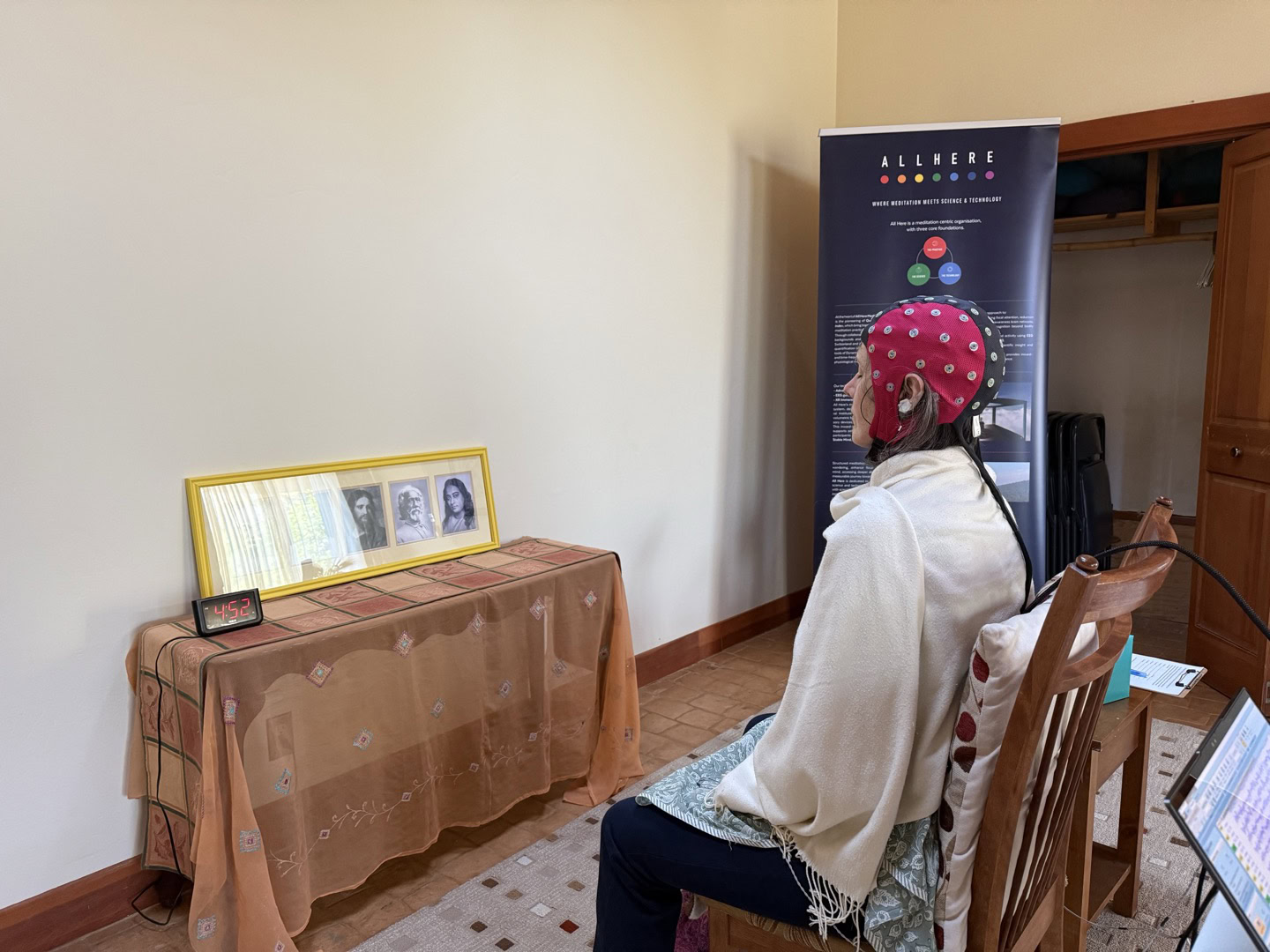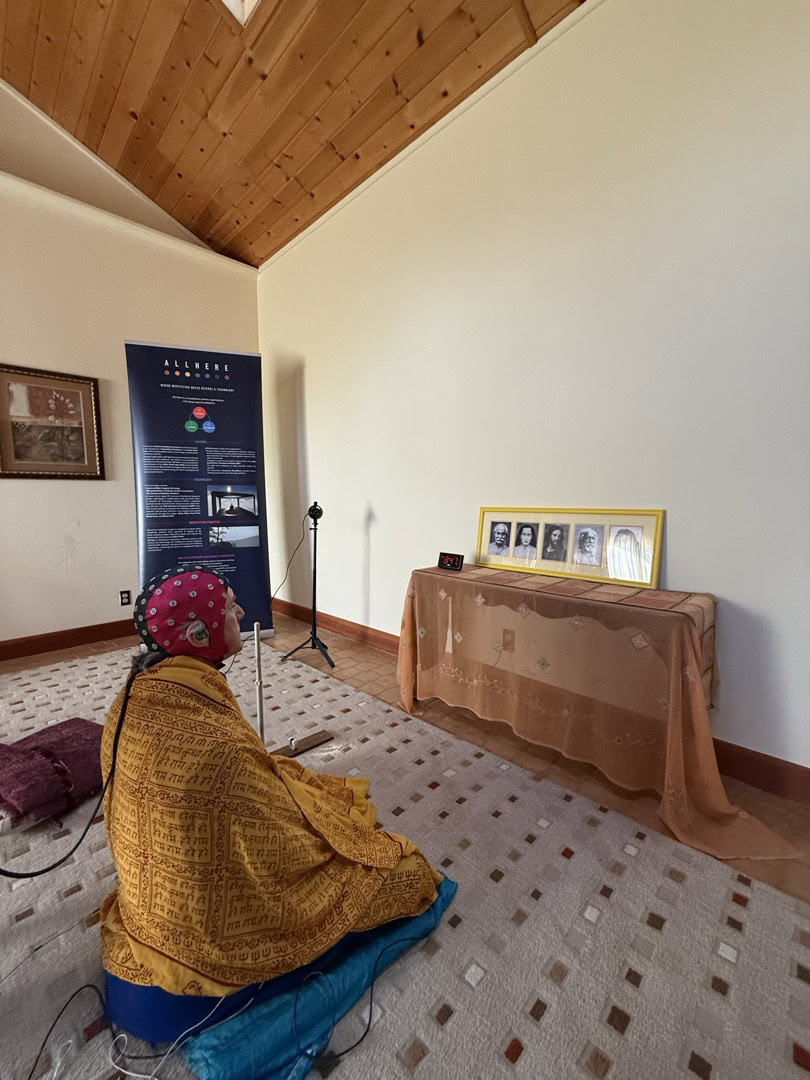
Meditation is not a single practice. It encompasses various traditions that can be classified into distinct types of practices.
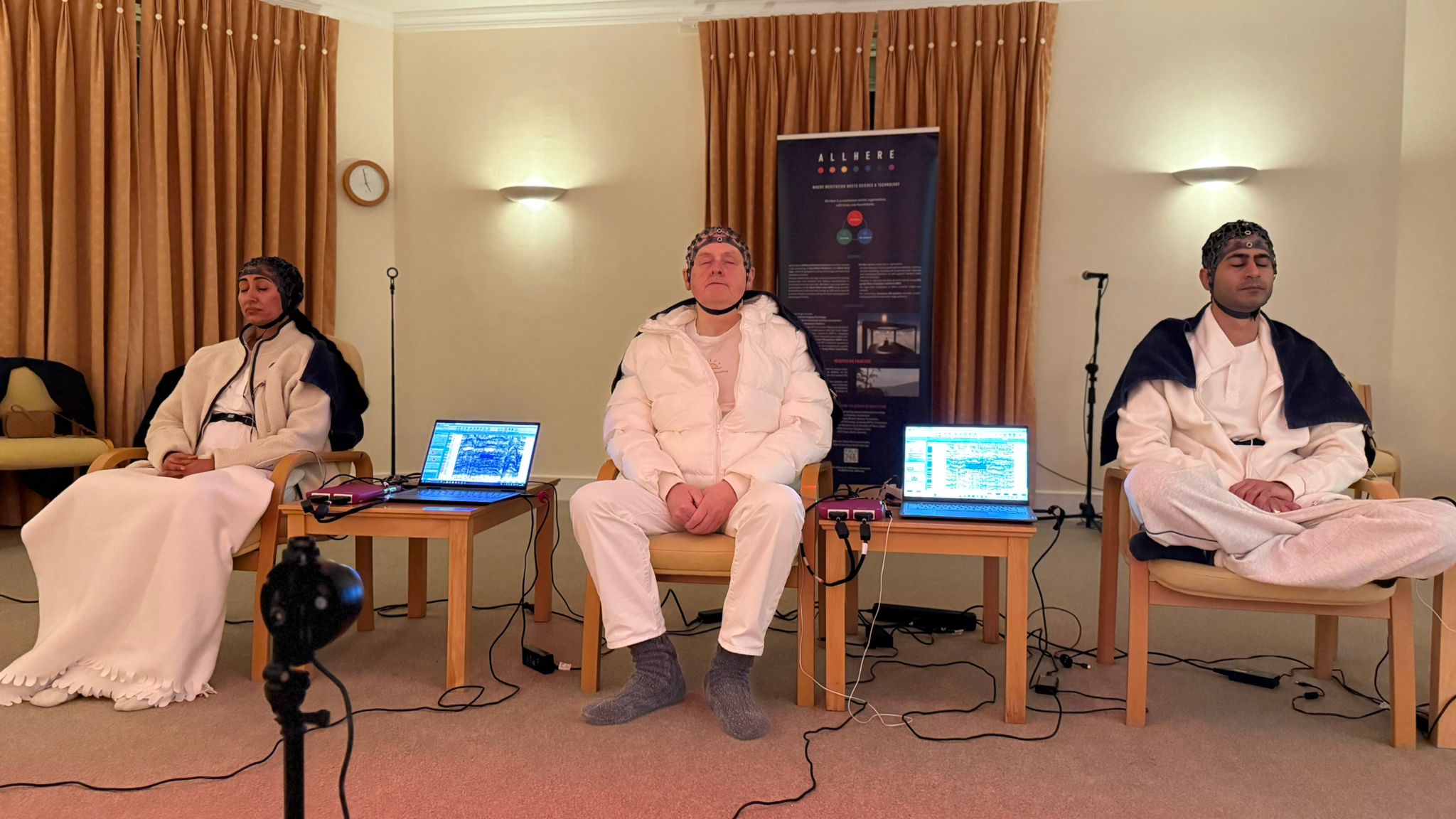
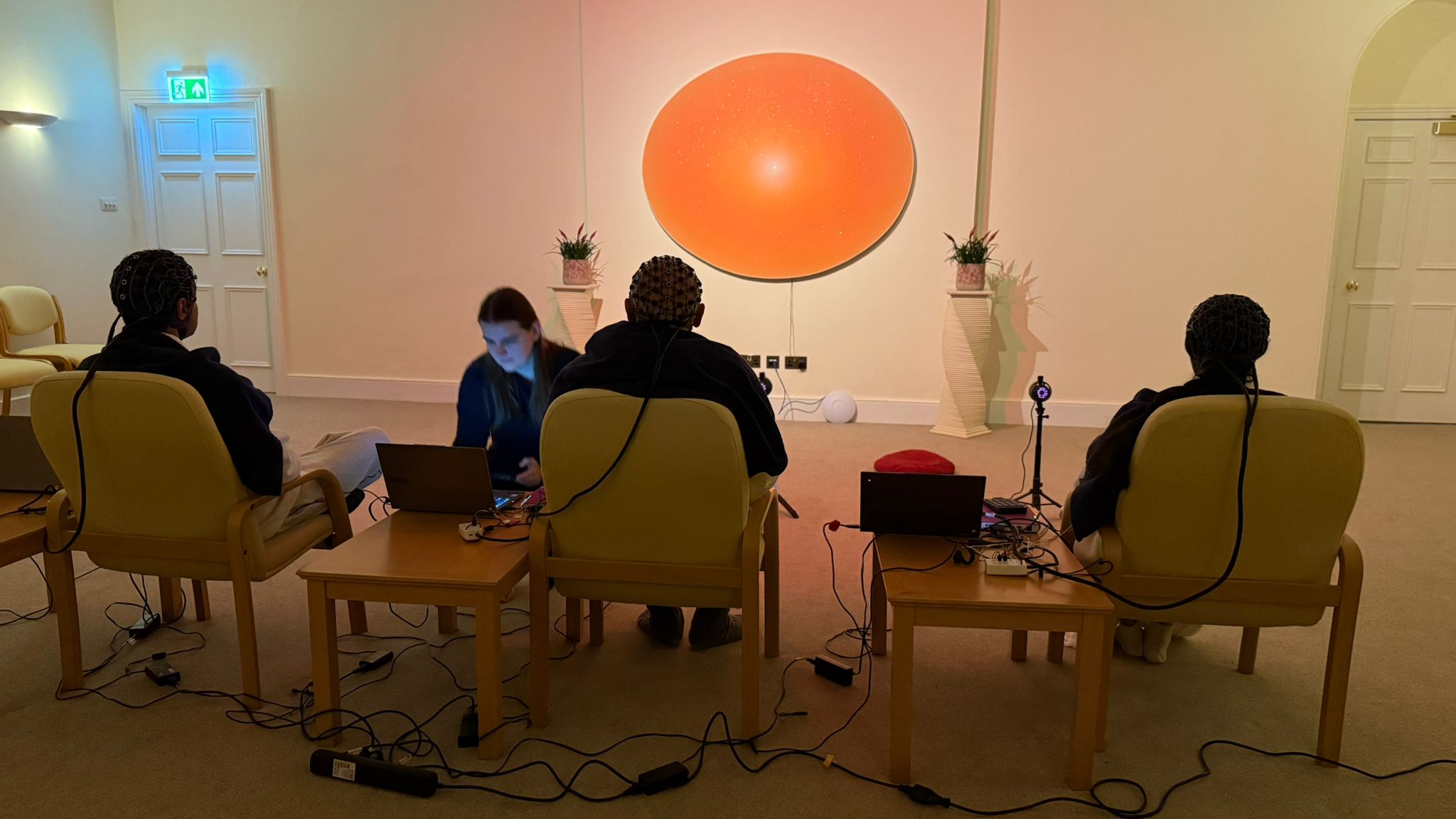
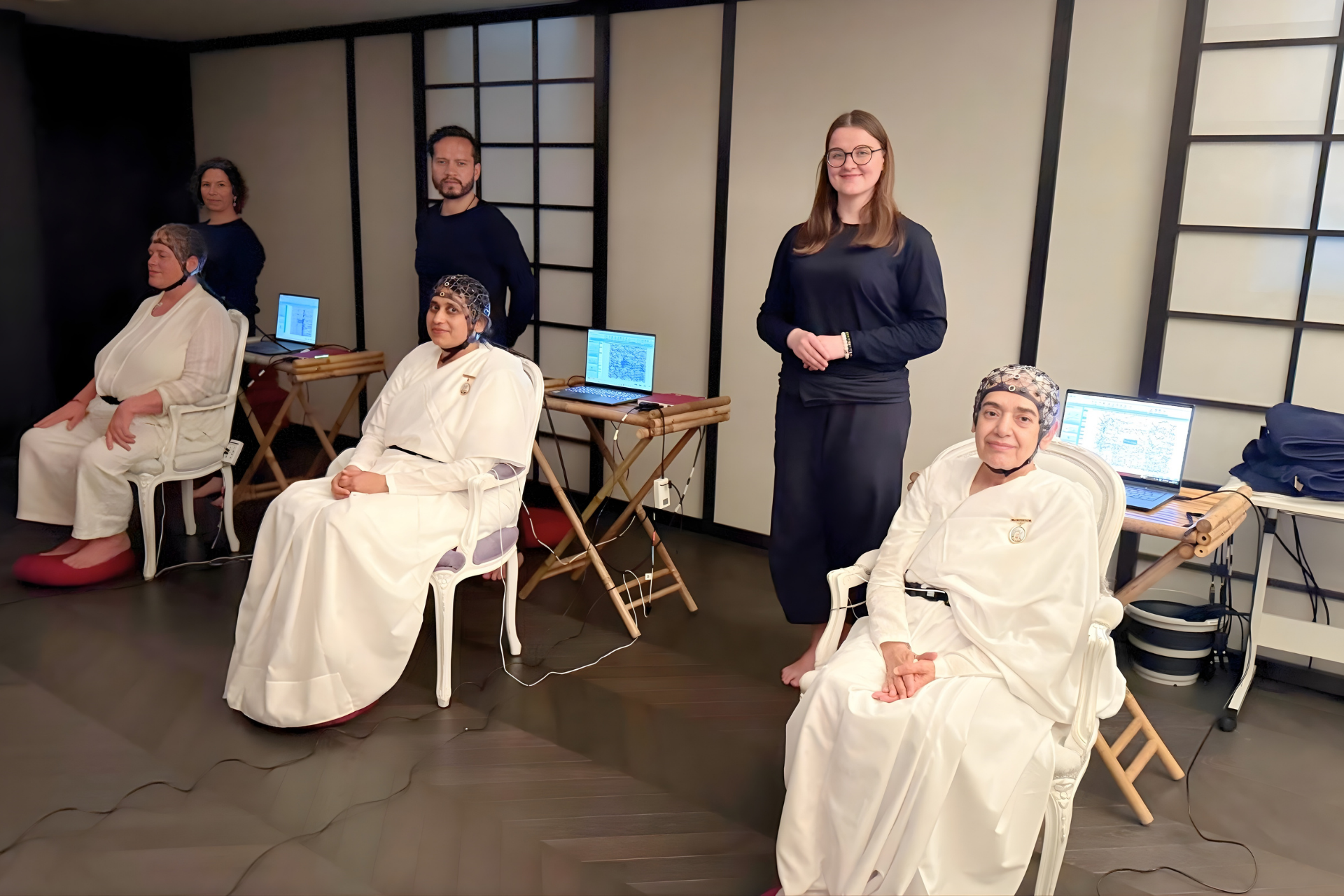
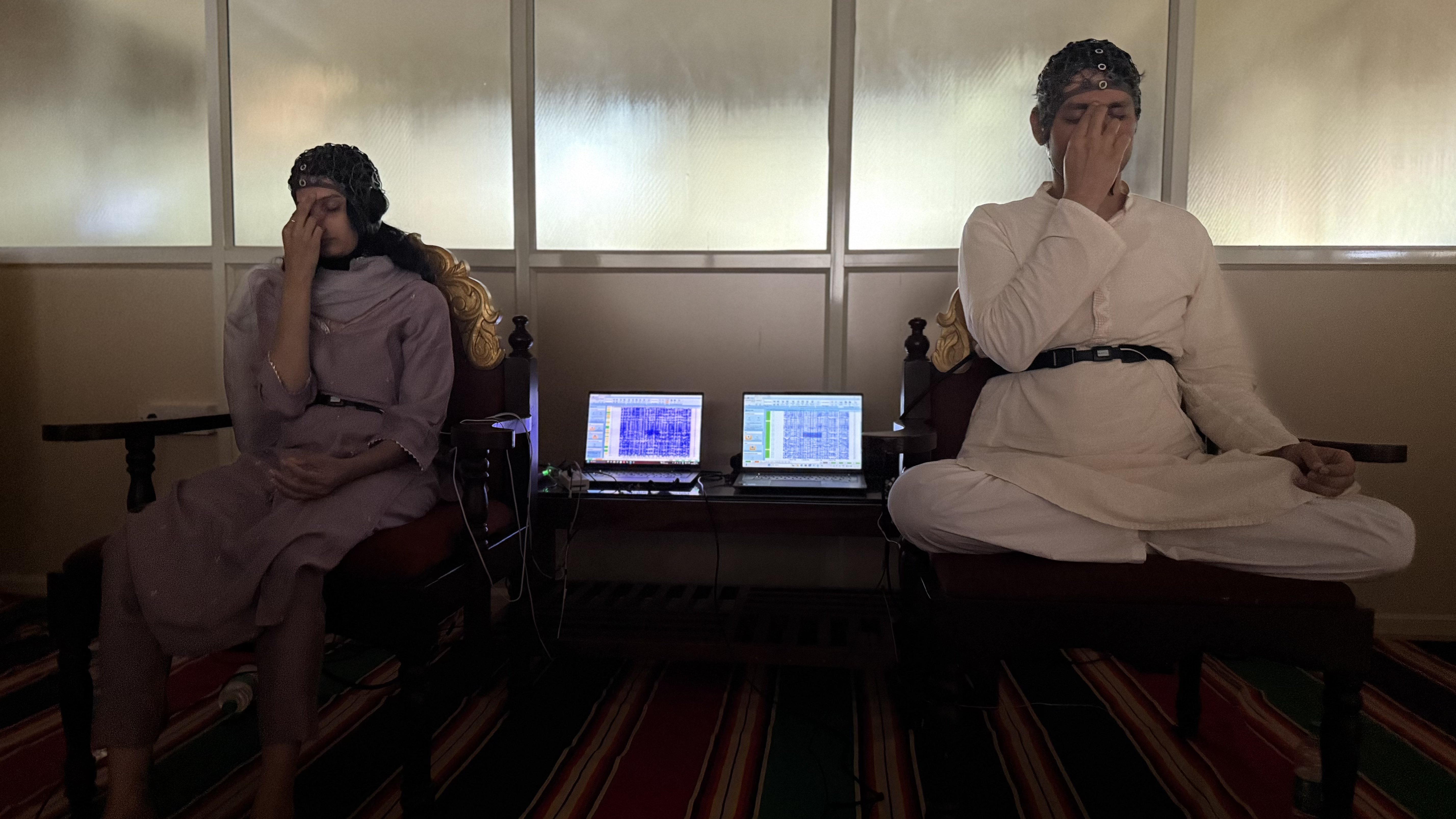
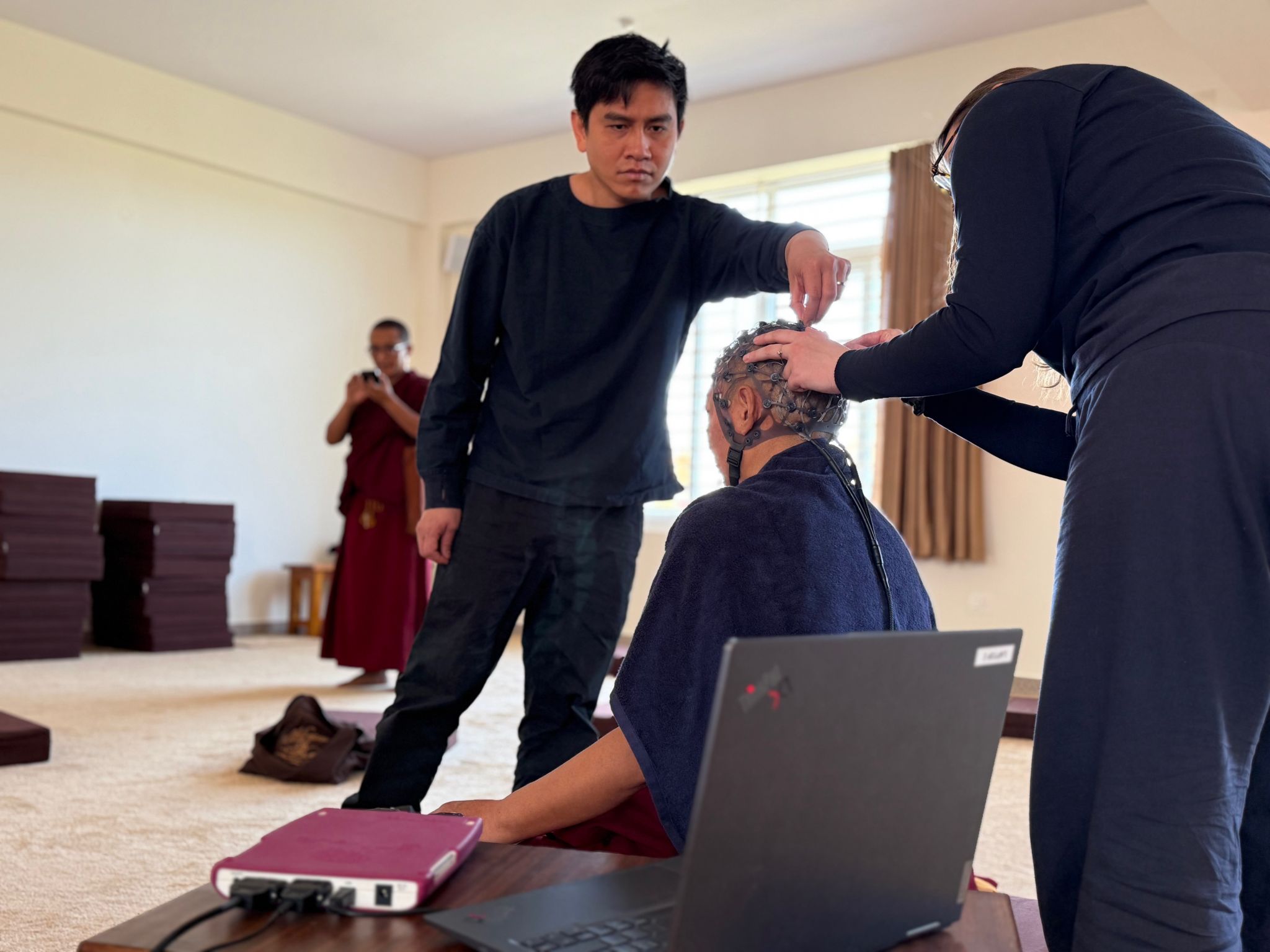
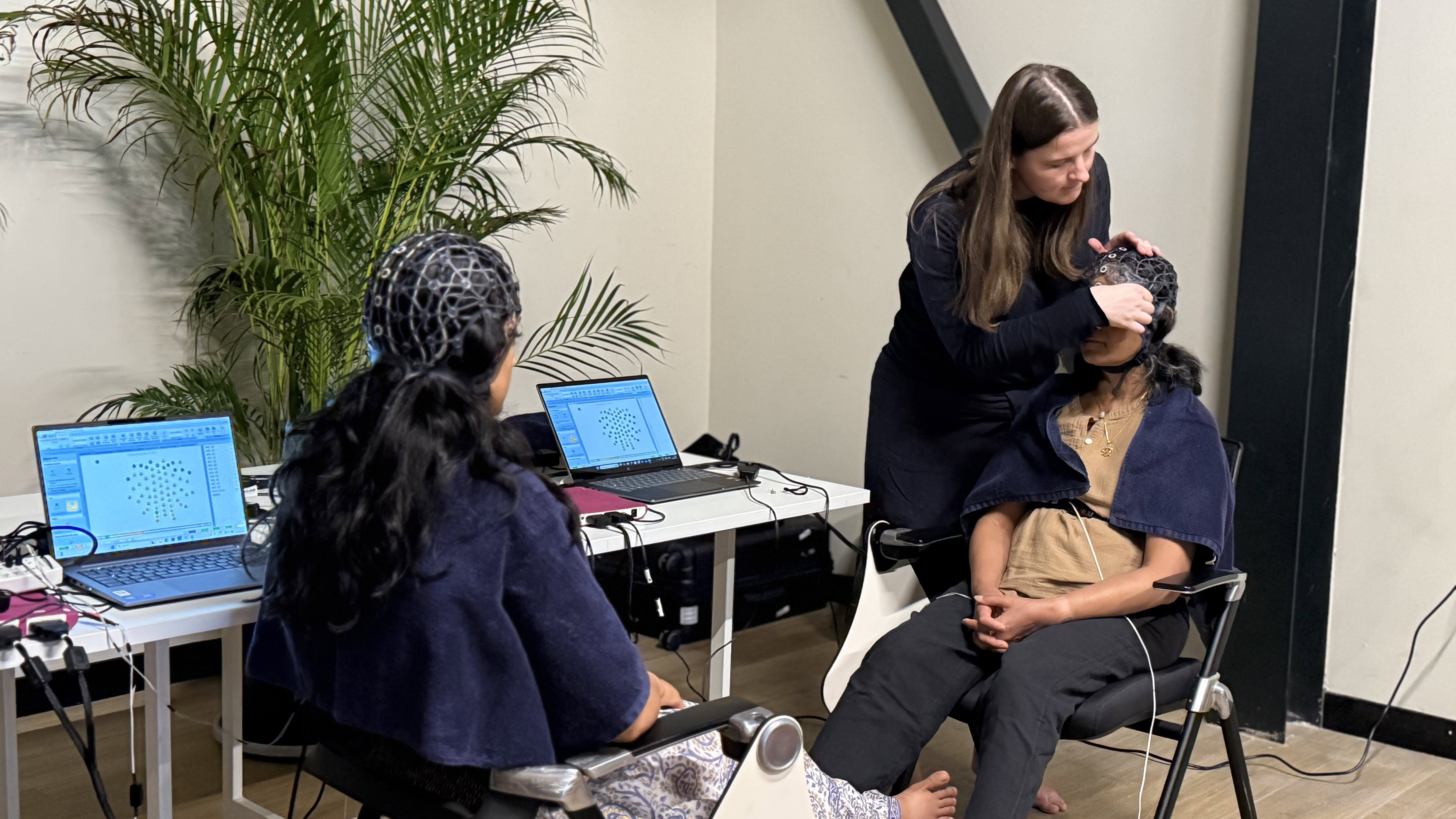
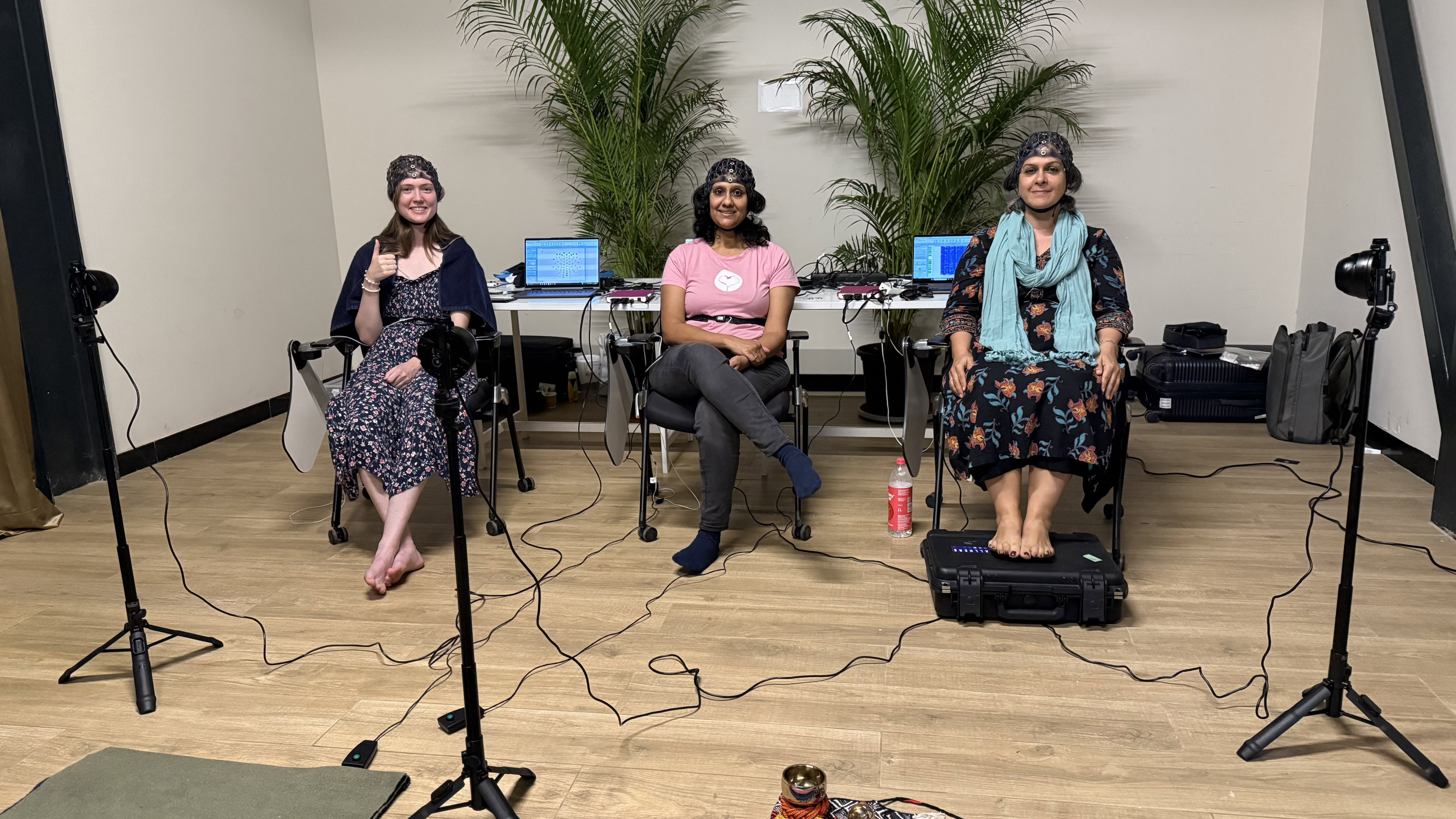
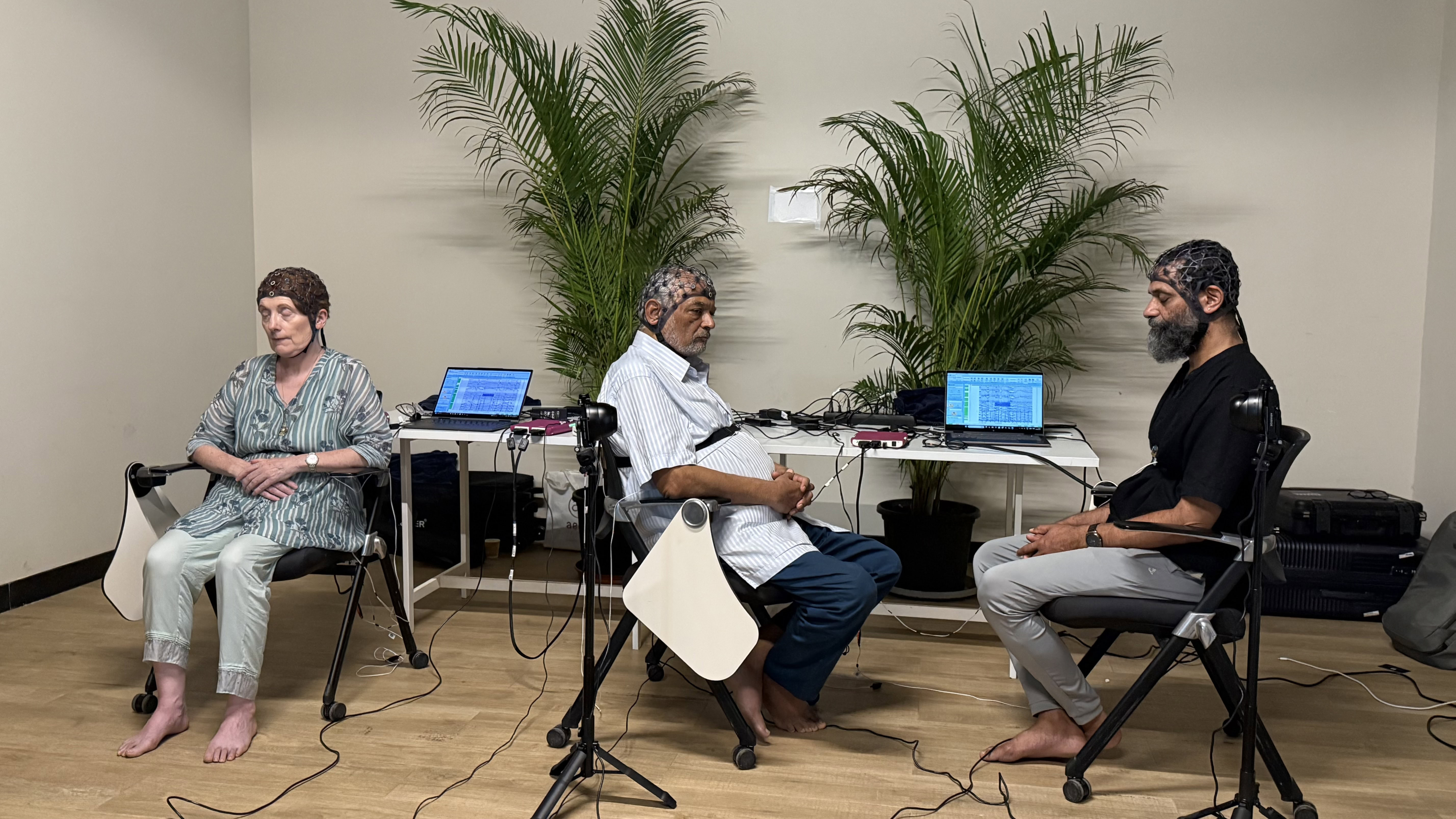
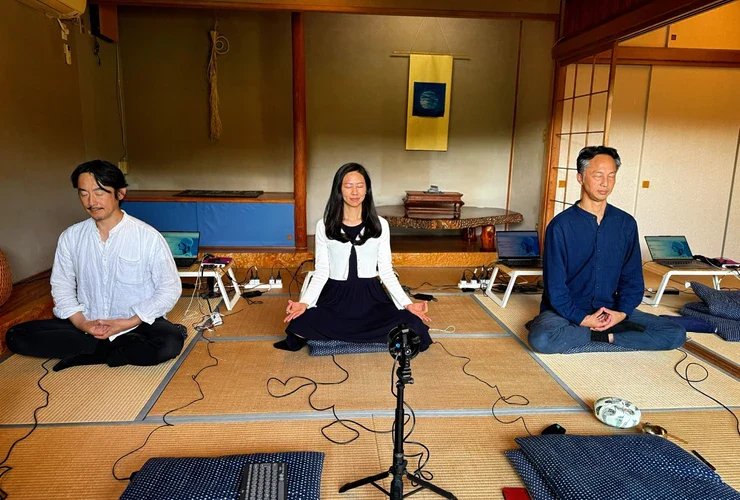
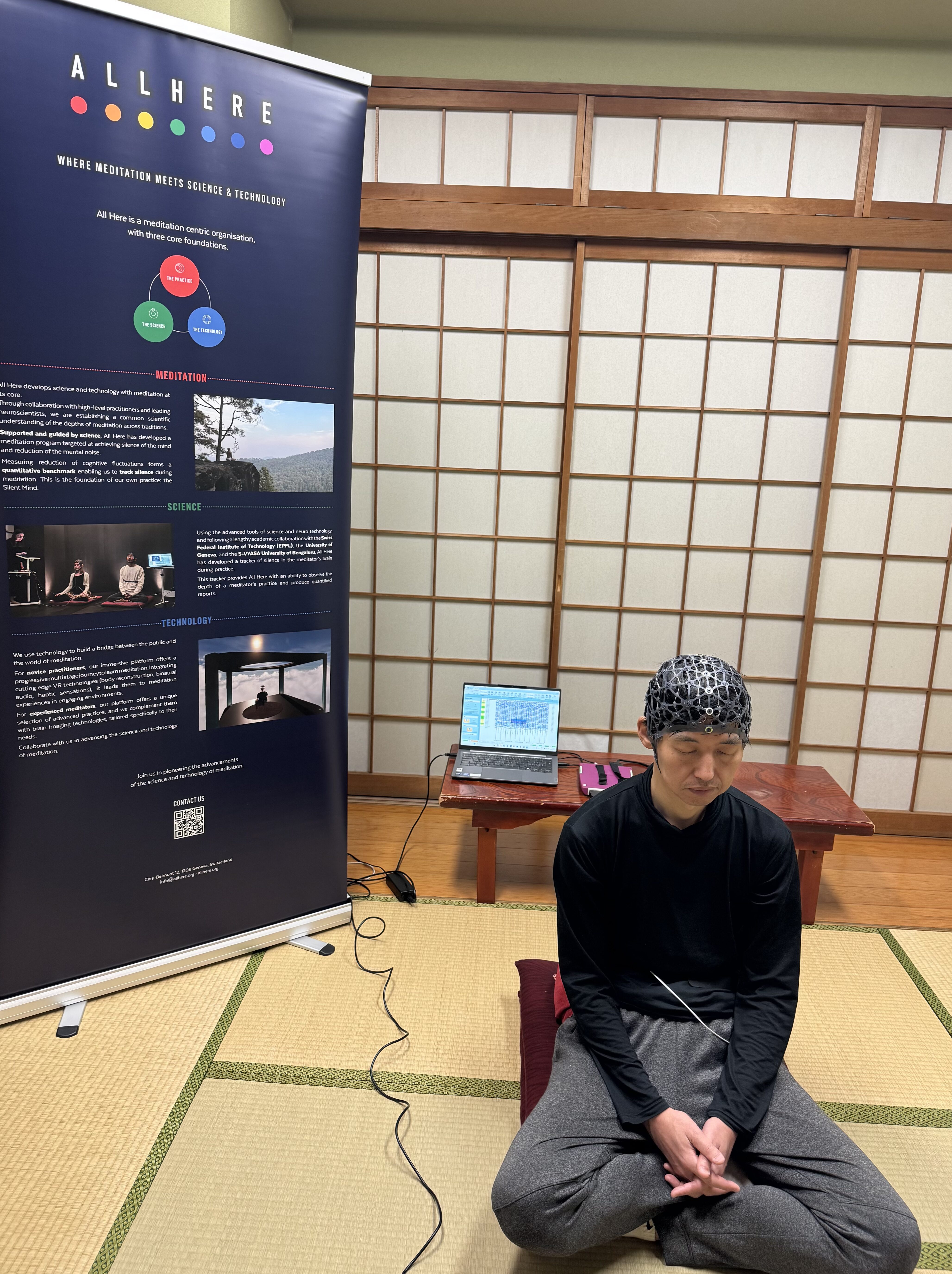
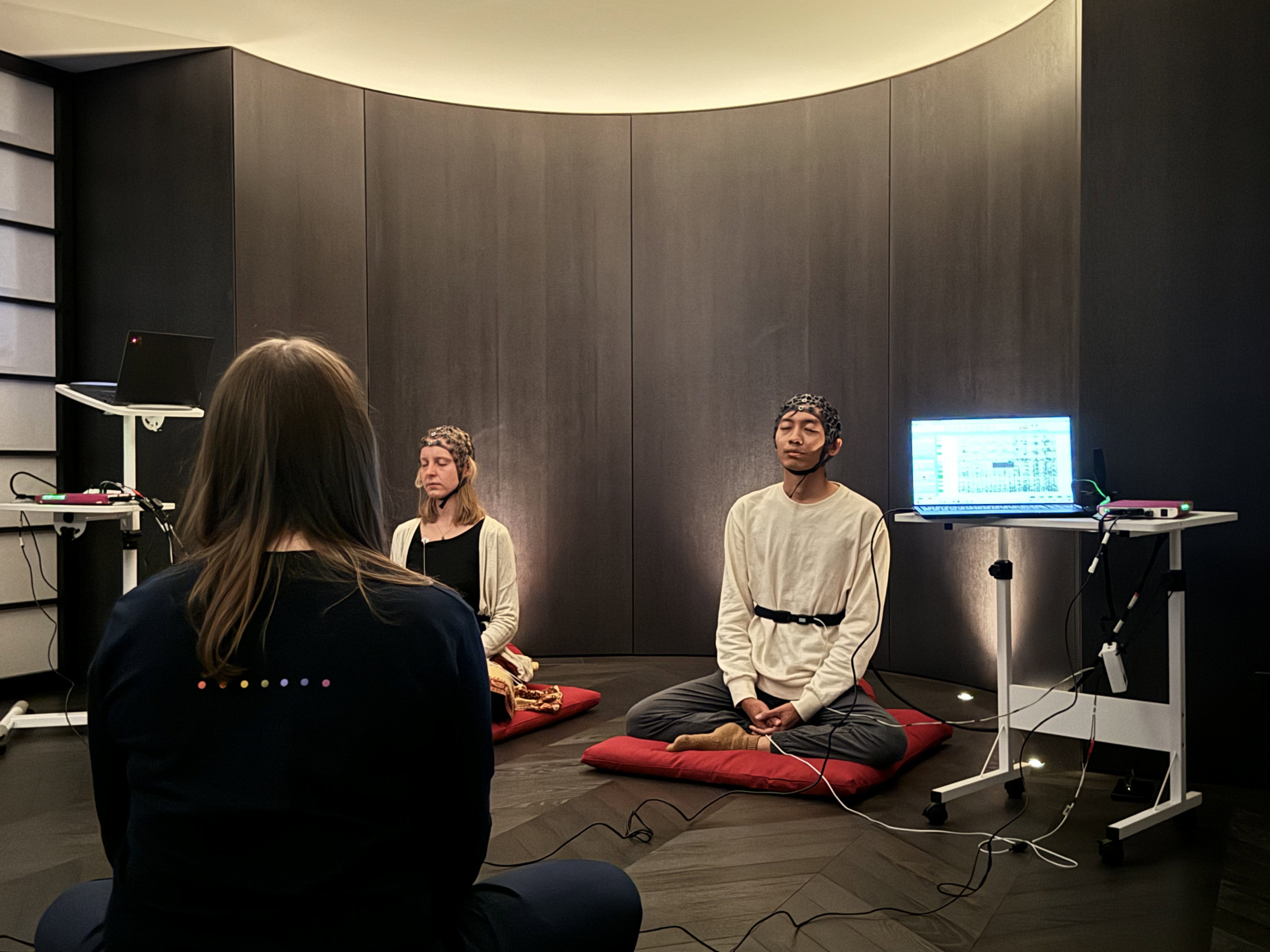
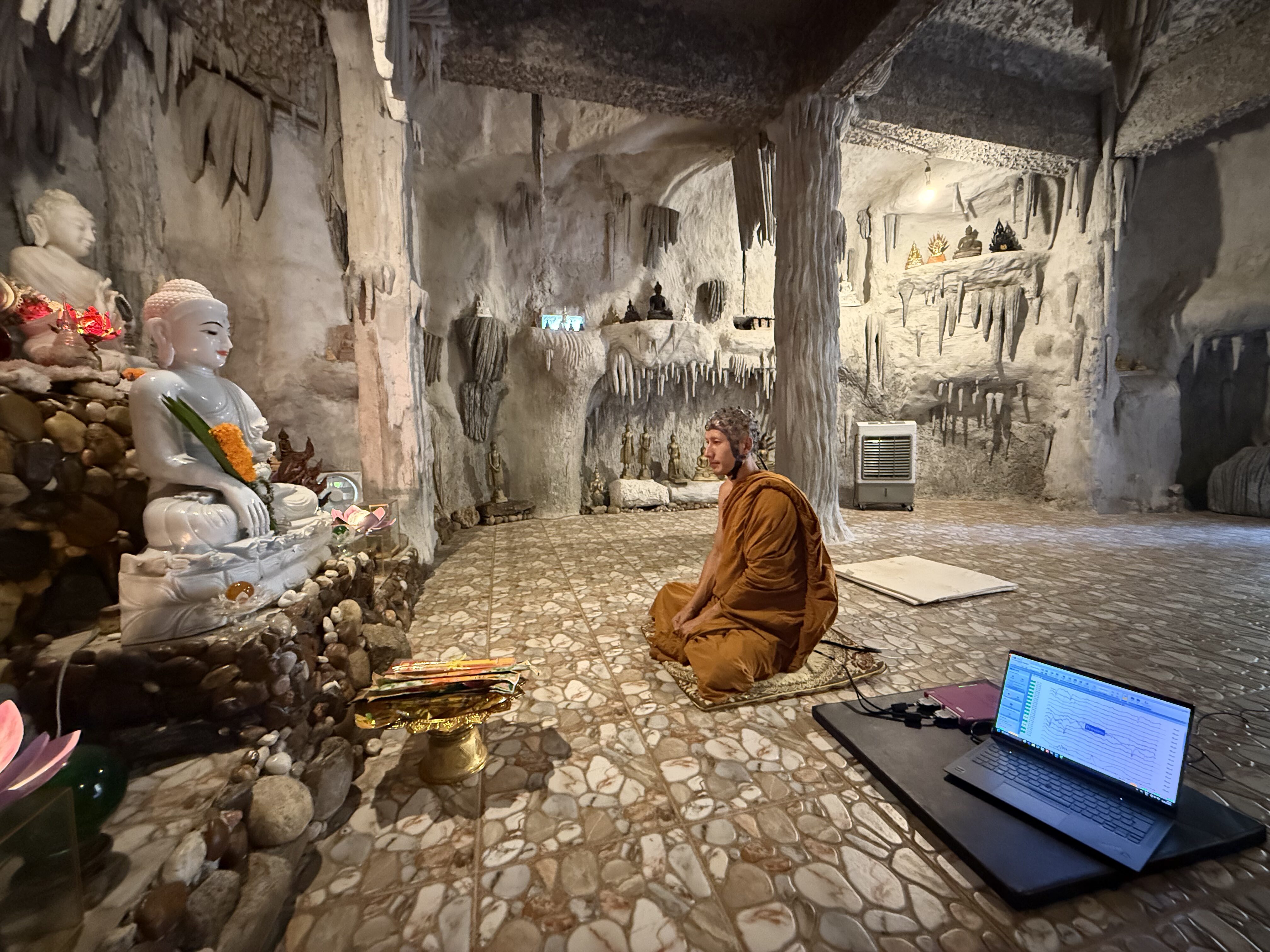
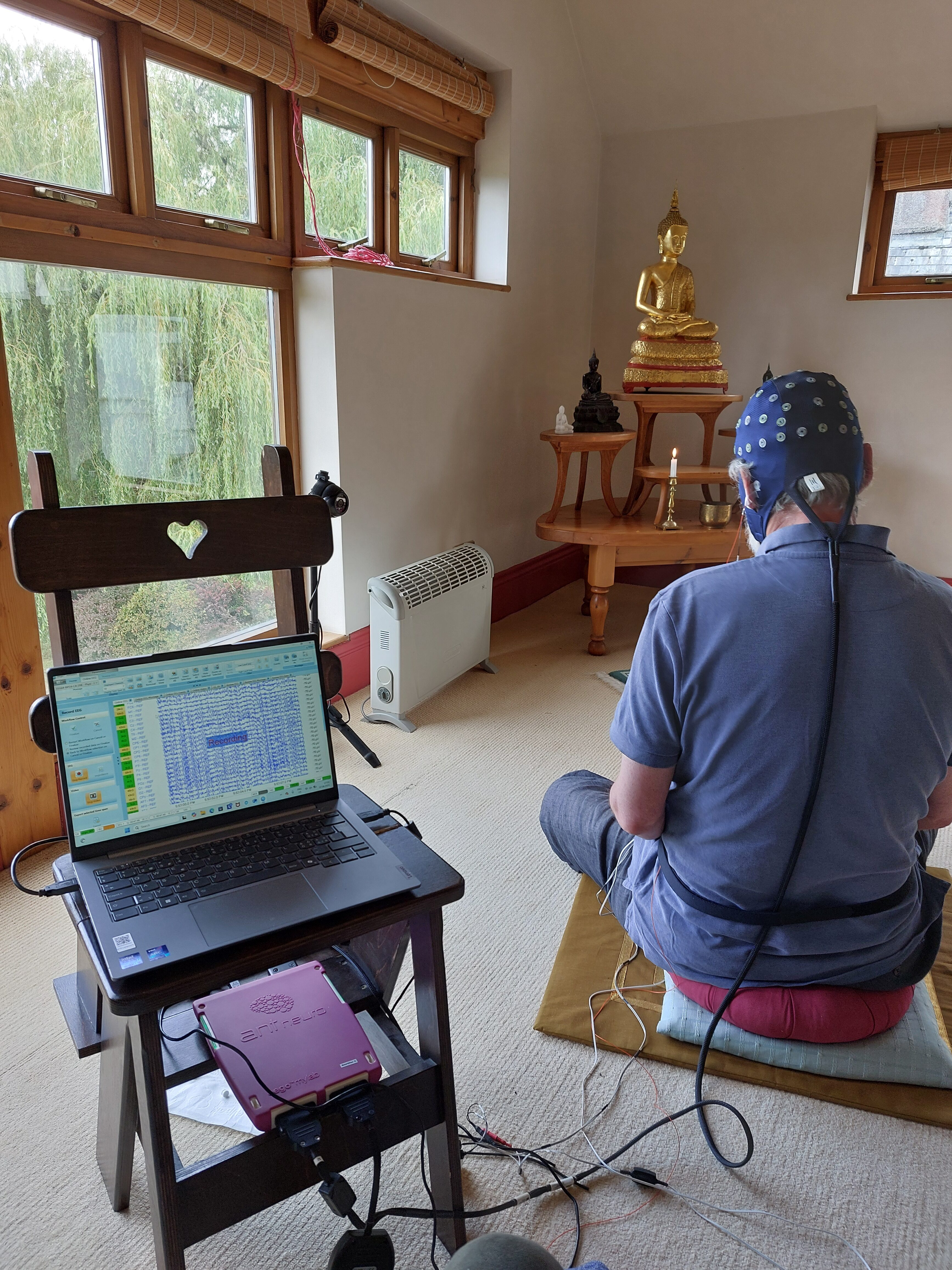
All Here conducts scientific research into these practices in order to understand their neuroscientific and physiological impacts.
Ancient pathways of inner silence exploring Dhāraṇā, Dhyāna, and Samādhi — where attention becomes gathered, the mind becomes quiet, and awareness turns inward toward deeper states of absorption and presence.
Following the ancient teachings of the Buddha, Theravāda Buddhism emphasises the cultivation of Sīla, Samatha, and Vipassanā — the purification of virtue, mind, and the development of wisdom. Through mindfulness, concentration, and insight, the practitioner gradually quietens the fluctuations of the mind, cultivating deeper insight and wisdom.
Meditative traditions emphasising direct experience, natural presence, and harmony between mind, body, breath, and subtle energy. Stillness and movement are often cultivated together as expressions of awareness and embodied balance.
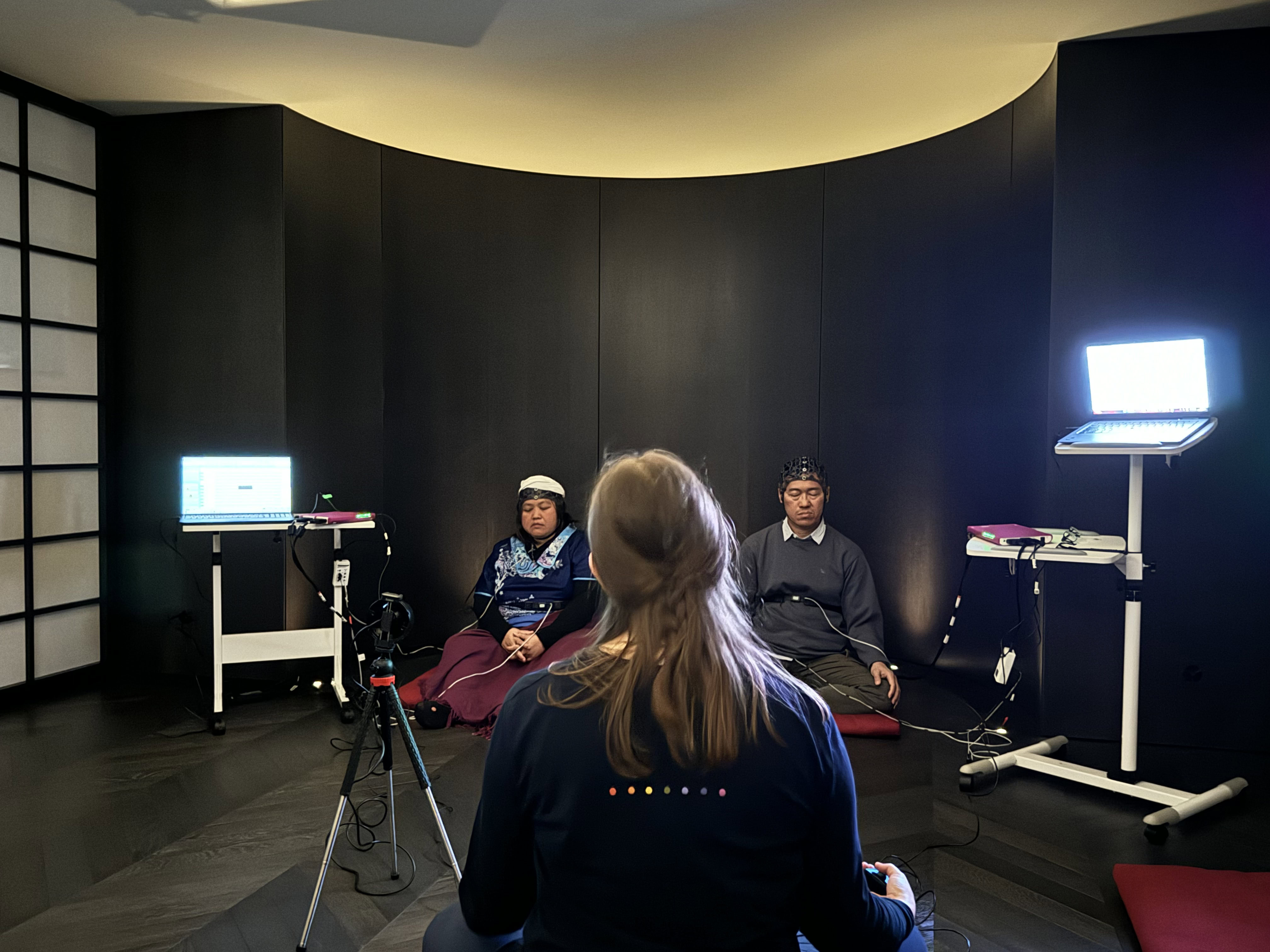
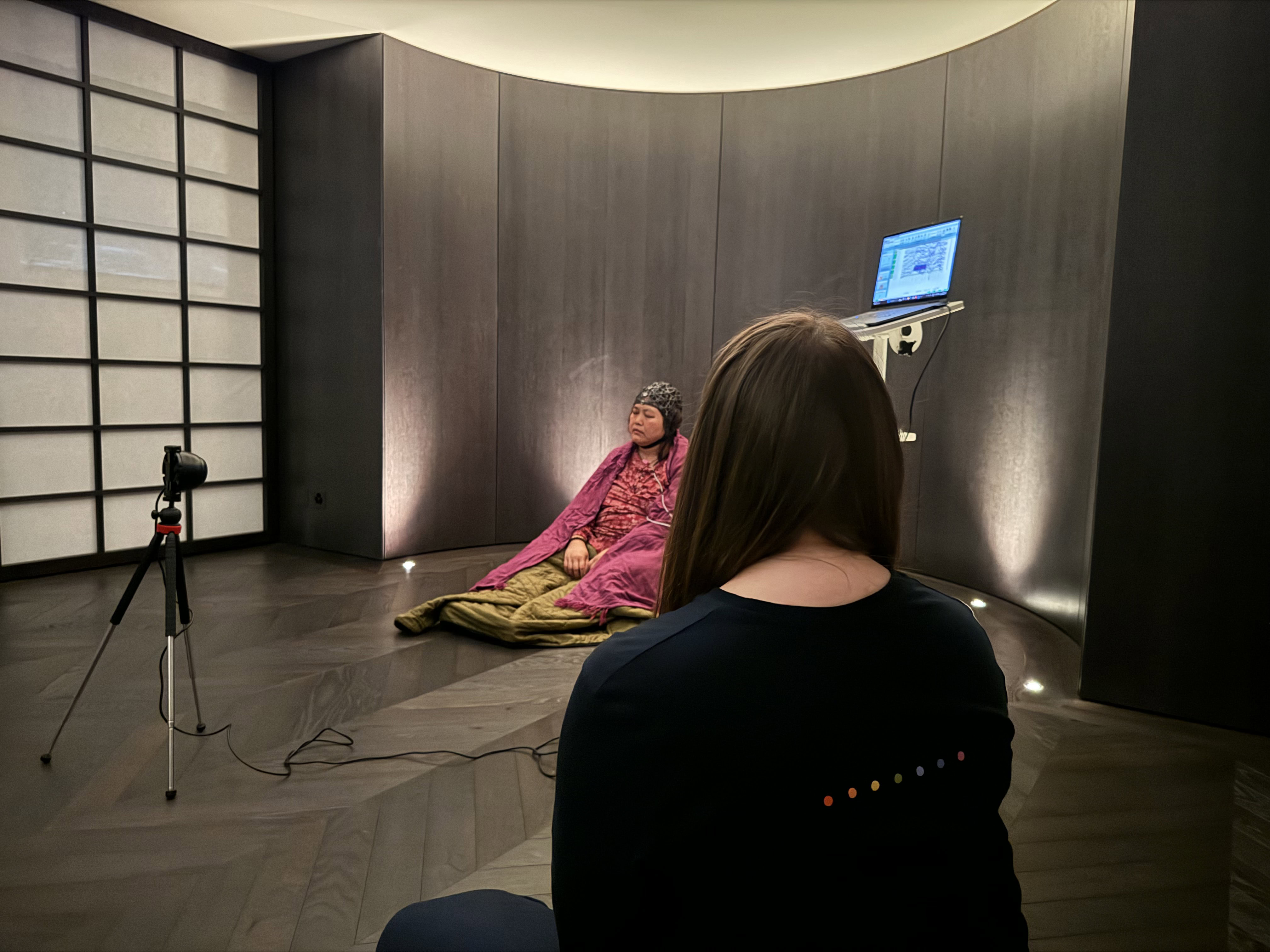
Contemplative systems integrating meditation, mantra, visualisation, and subtle-body practices as pathways toward transformation and direct recognition of the nature of mind. These traditions often work with inner energy, luminosity, and profound states of meditative absorption.
Mystical and contemplative traditions rooted in silence, prayer, remembrance, and devotion — turning awareness inward toward presence, surrender, and union with the divine. These practices often cultivate the heart as a centre of contemplation and inner transformation.
Contemporary contemplative approaches integrating meditation, mindfulness, psychology, and scientific understanding within therapeutic, educational, and secular settings. These practices support emotional balance, self-awareness, compassion, mental clarity, and psychological well-being in modern daily life.
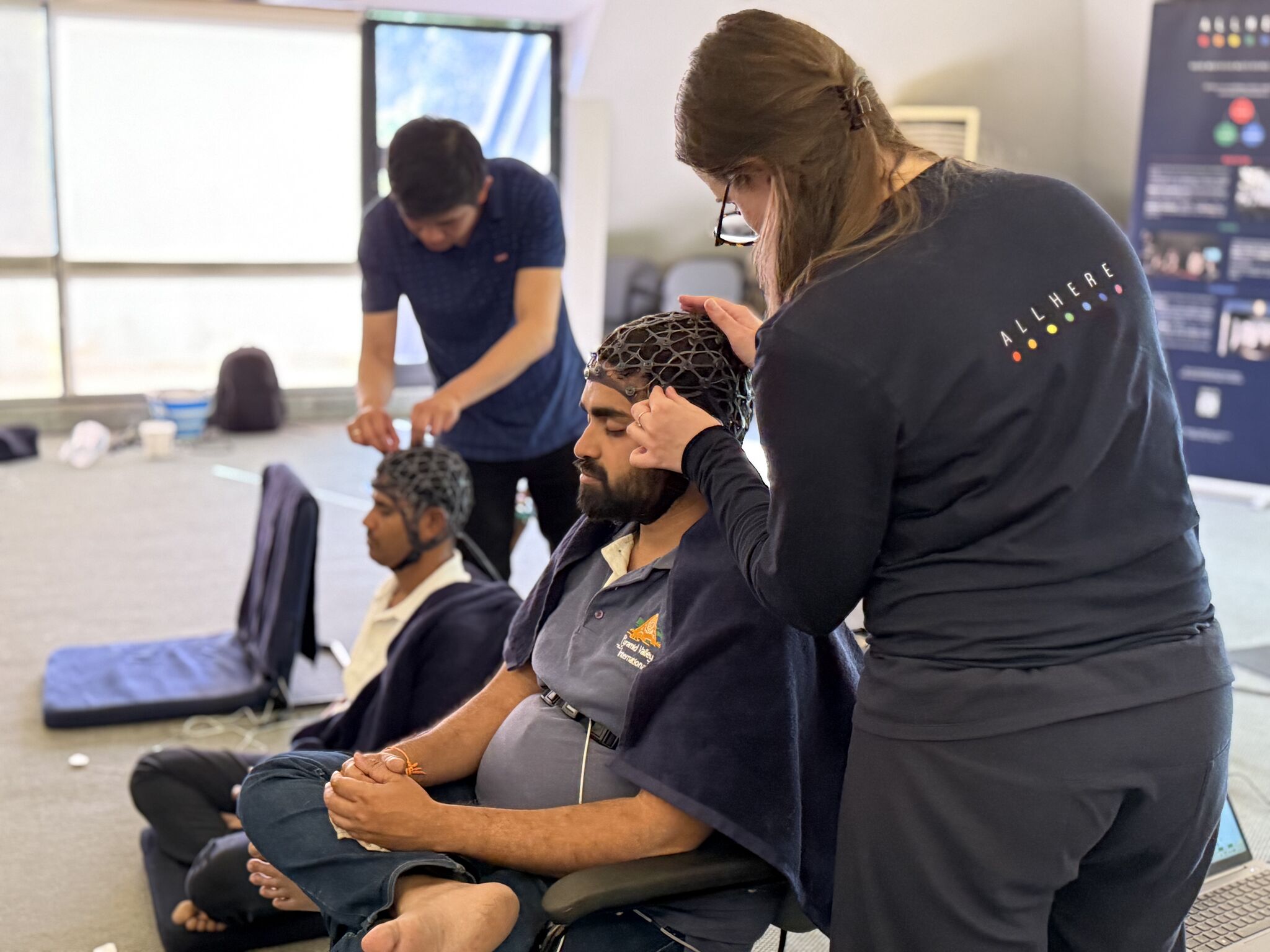
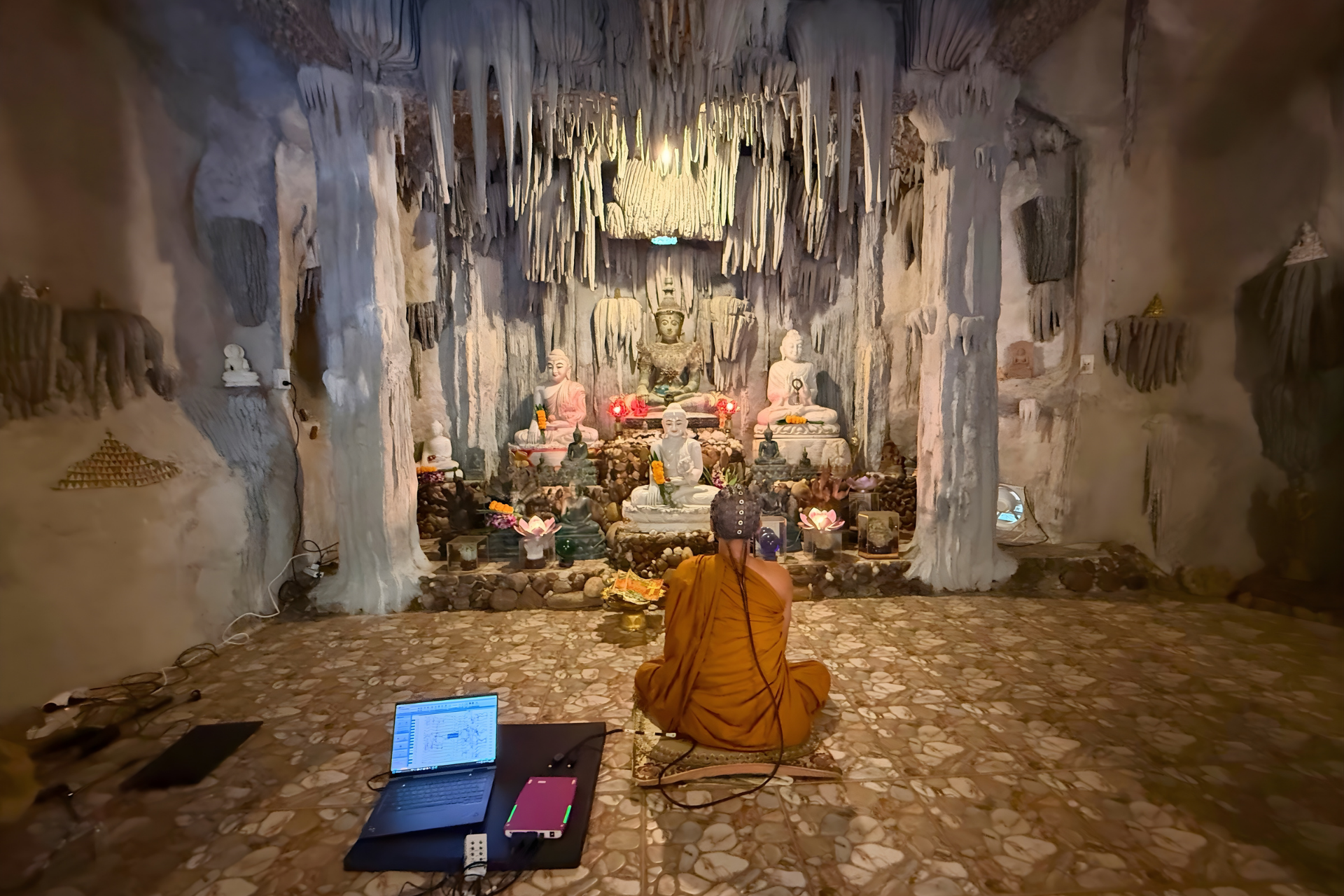
Researching expert meditators presents several challenges due to the unique nature of their practice and the complexities involved in studying their experiences.
The scientific understanding of expert meditators is still in its early stages. Most research has focused on the effects of meditation interventions rather than the actual states experienced by long-term practitioners. Much of the existing research tends to measure changes before and after a meditation program or intervention, rather than exploring the nuanced meditative states that expert meditators may enter.
Meditation practices are highly diverse across different traditions (e.g., mindfulness, Zen, Vipassana), making it challenging to generalize findings across all expert meditators. Meditative states are complex and vary widely even among expert practitioners. Capturing these states accurately and consistently through scientific methods requires sophisticated experimental designs and analysis techniques.
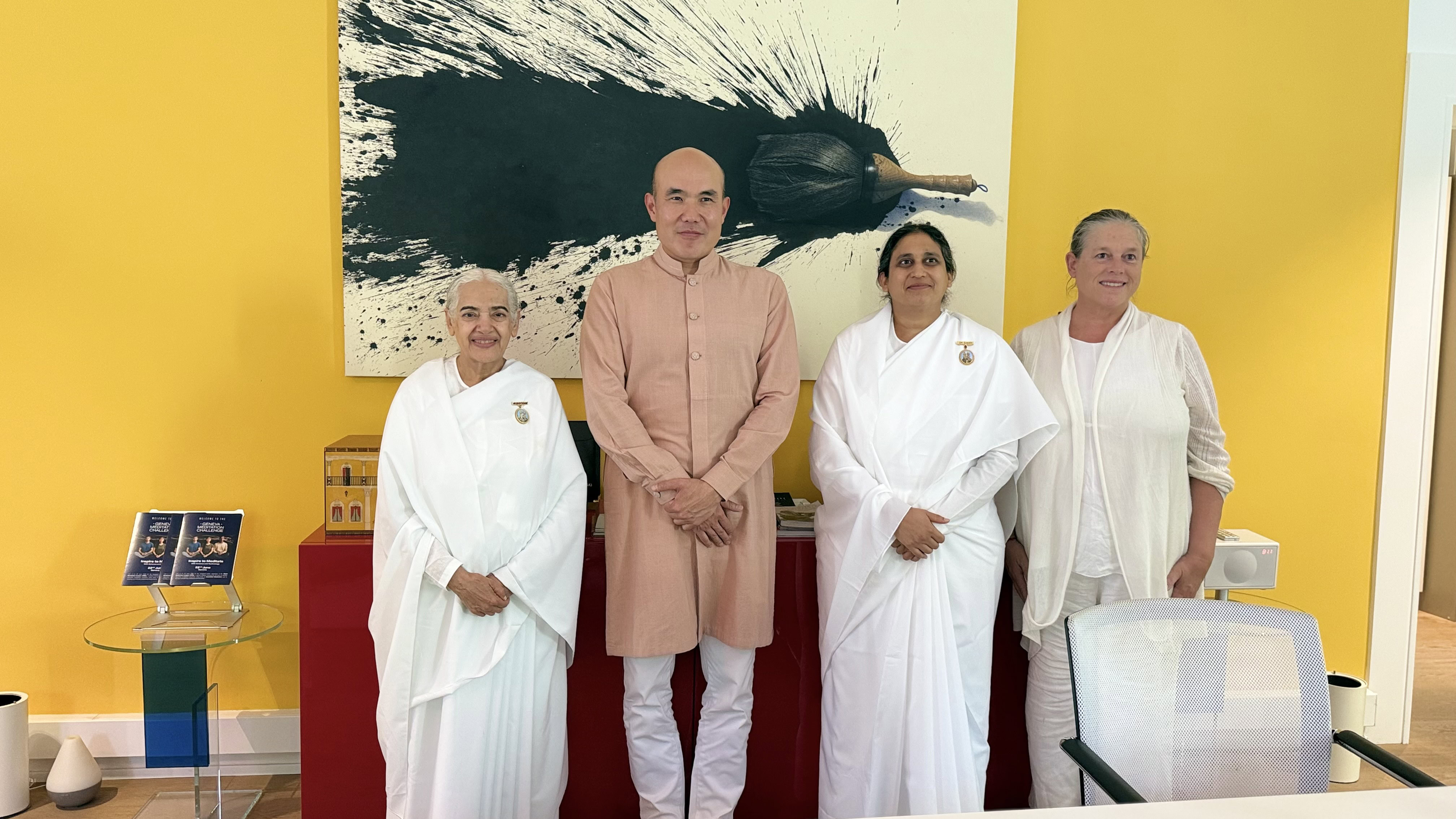
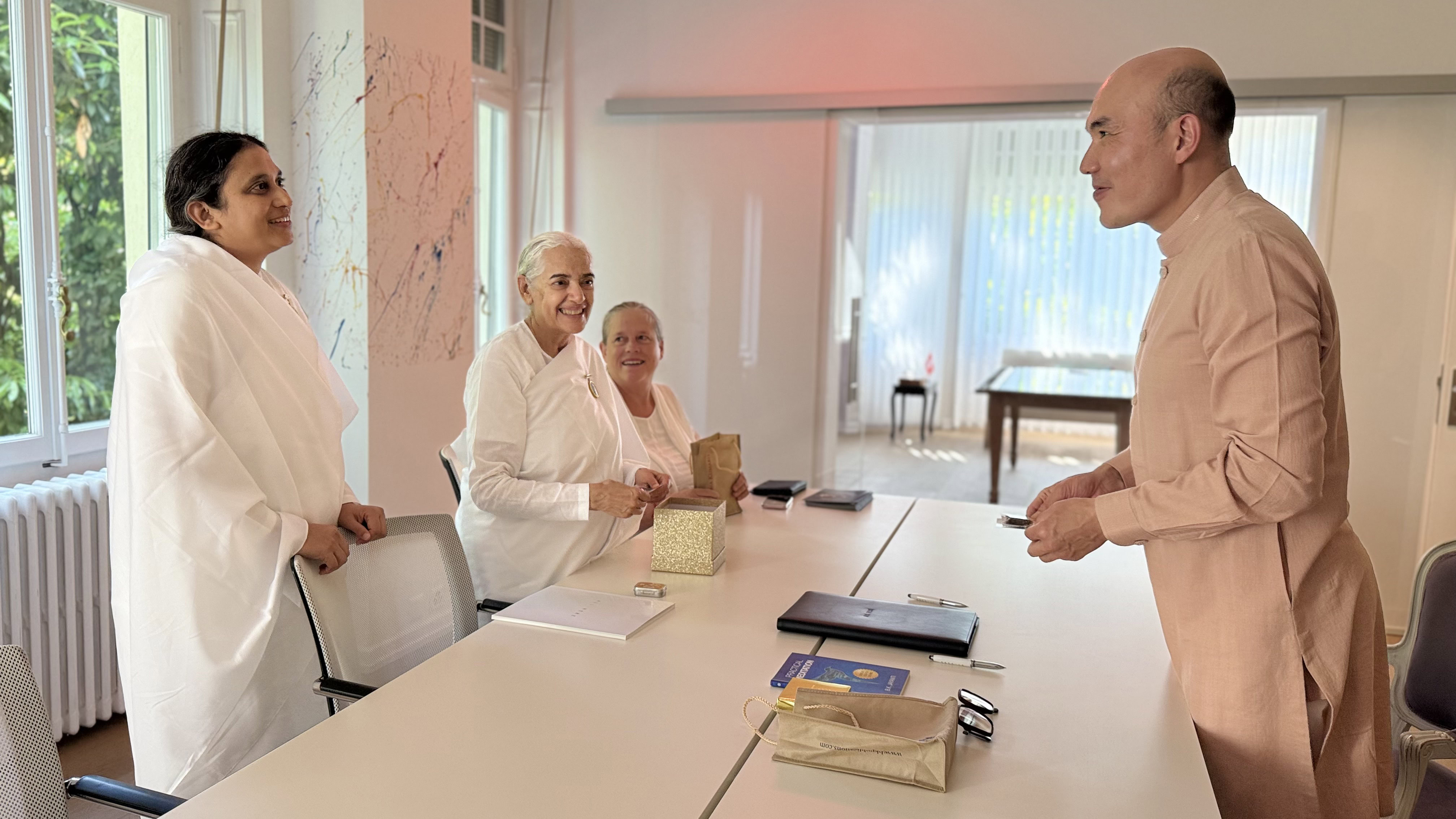
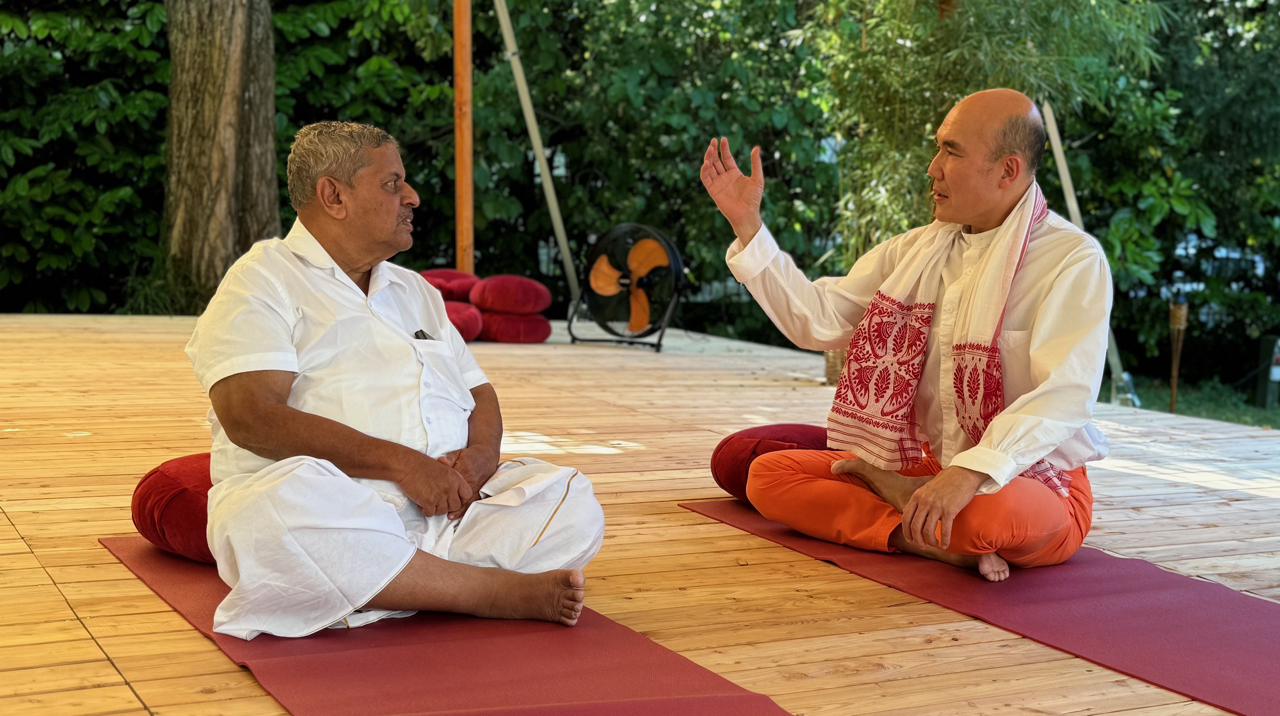
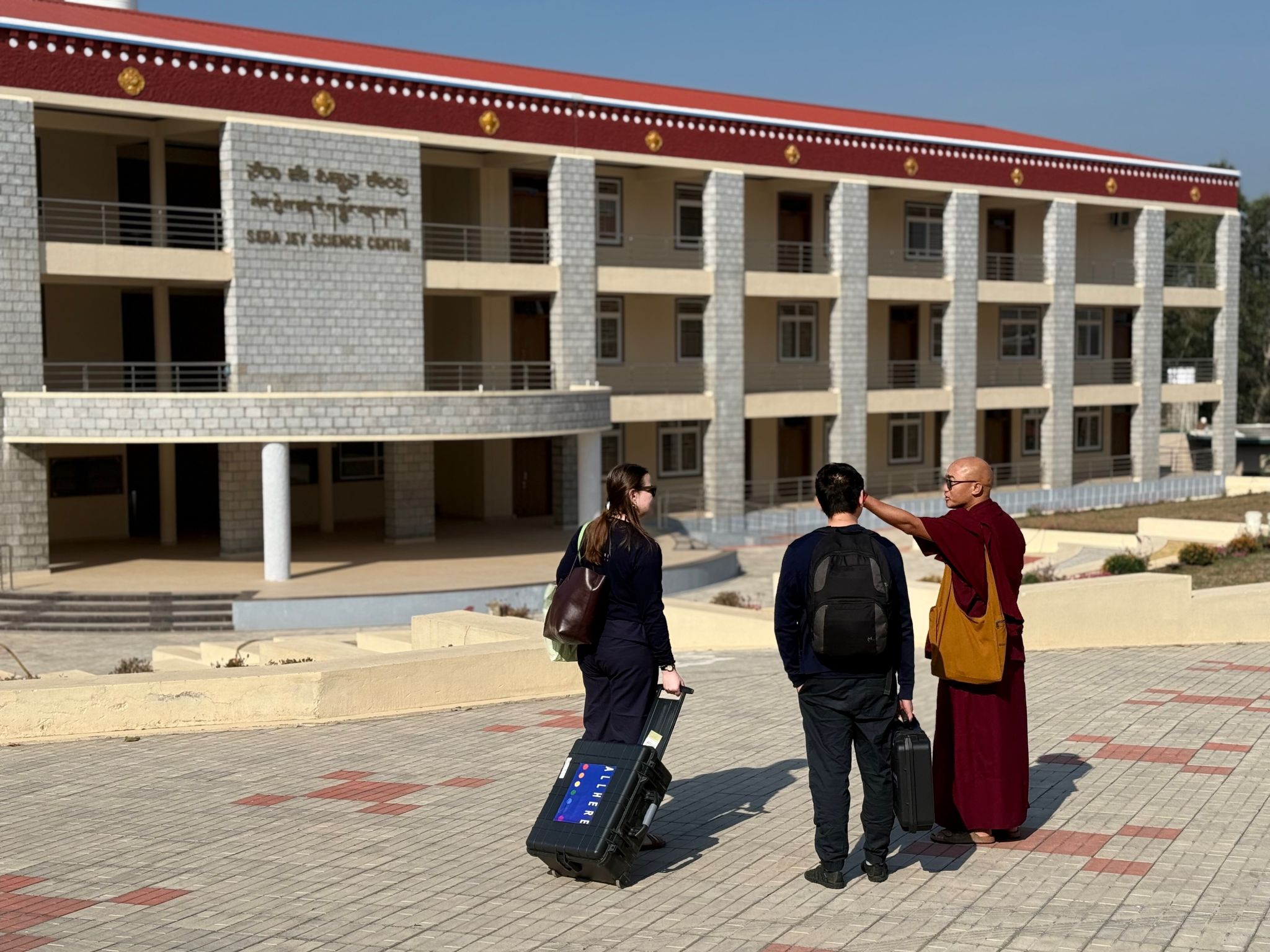
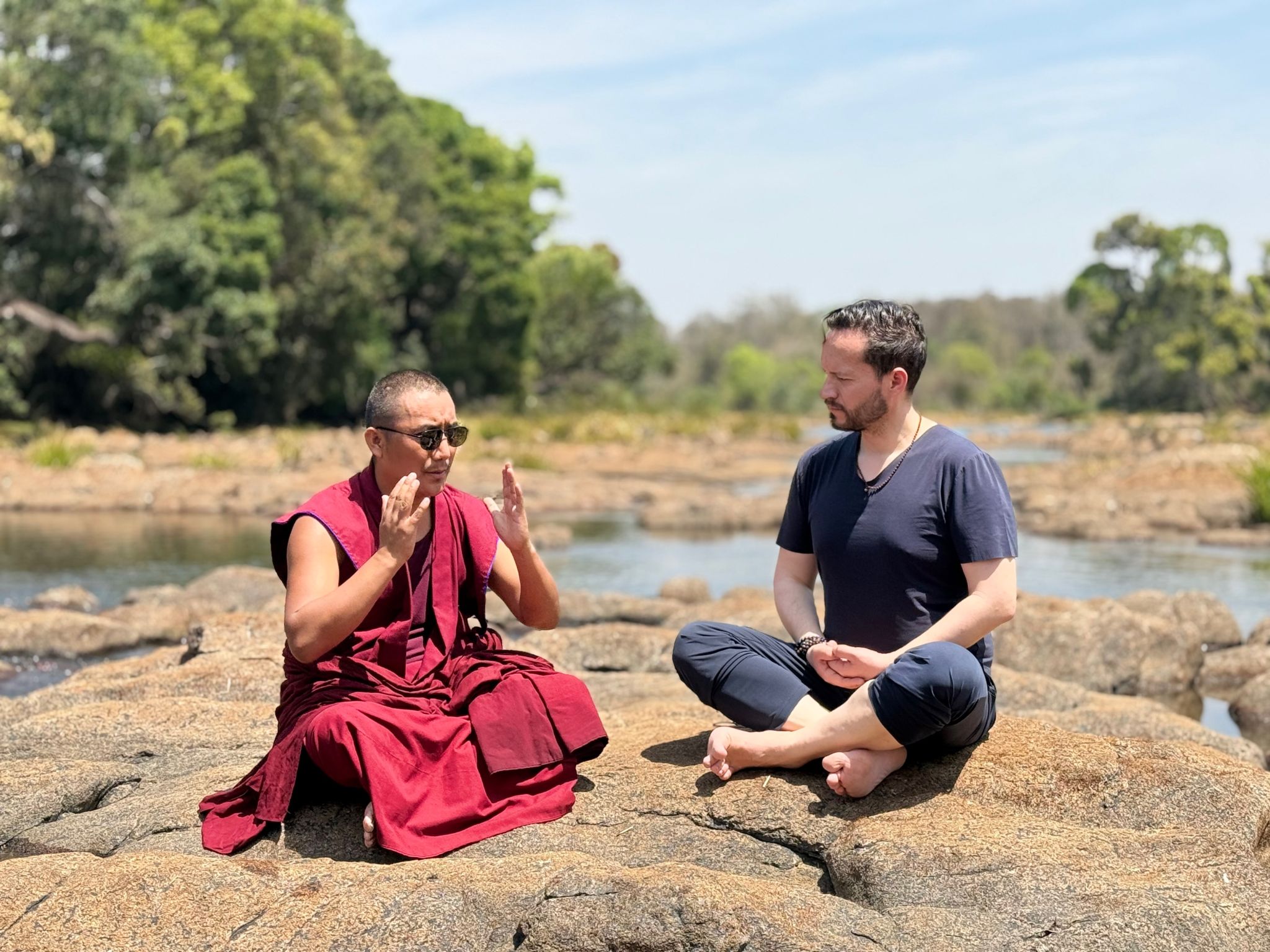
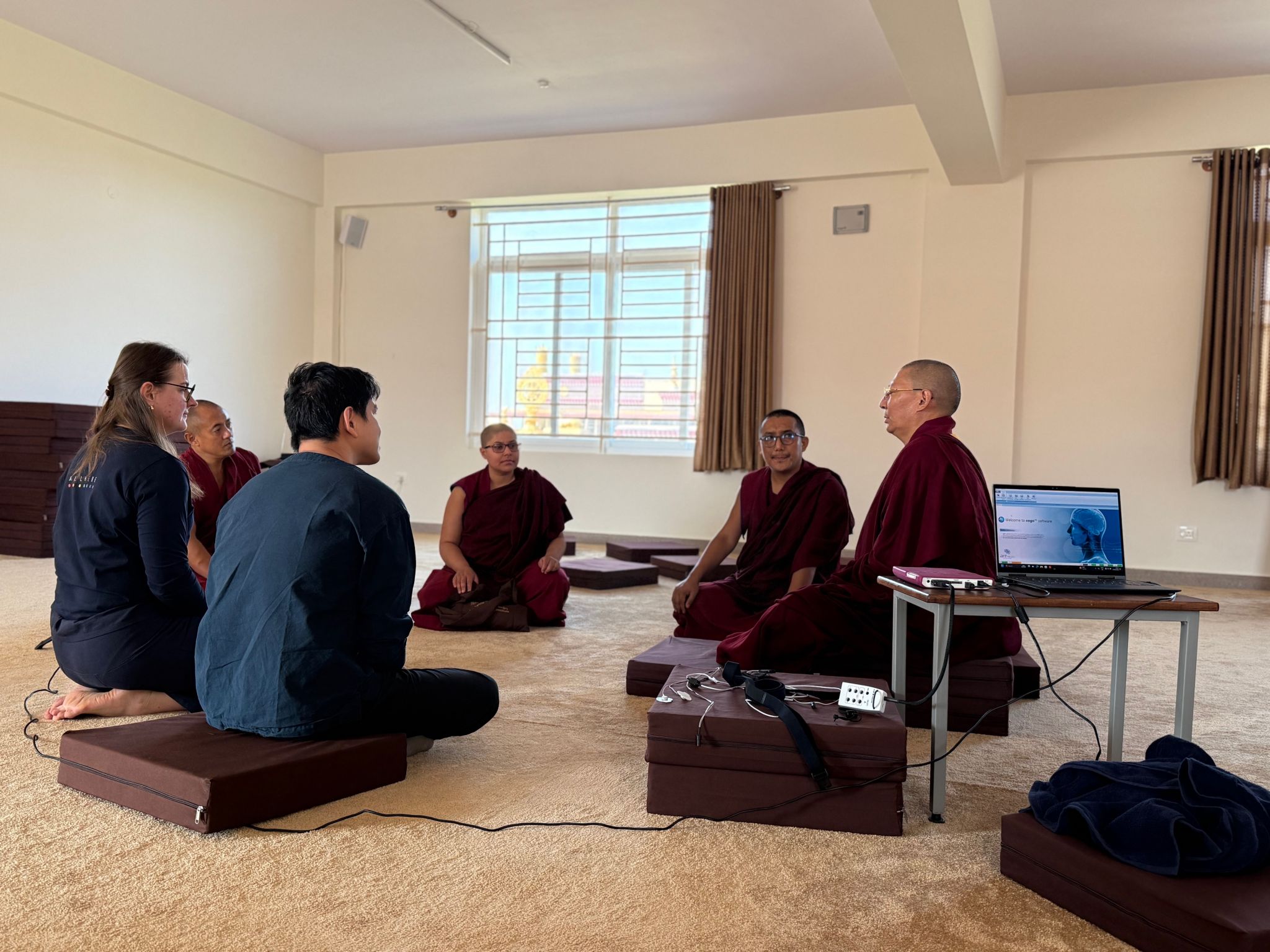
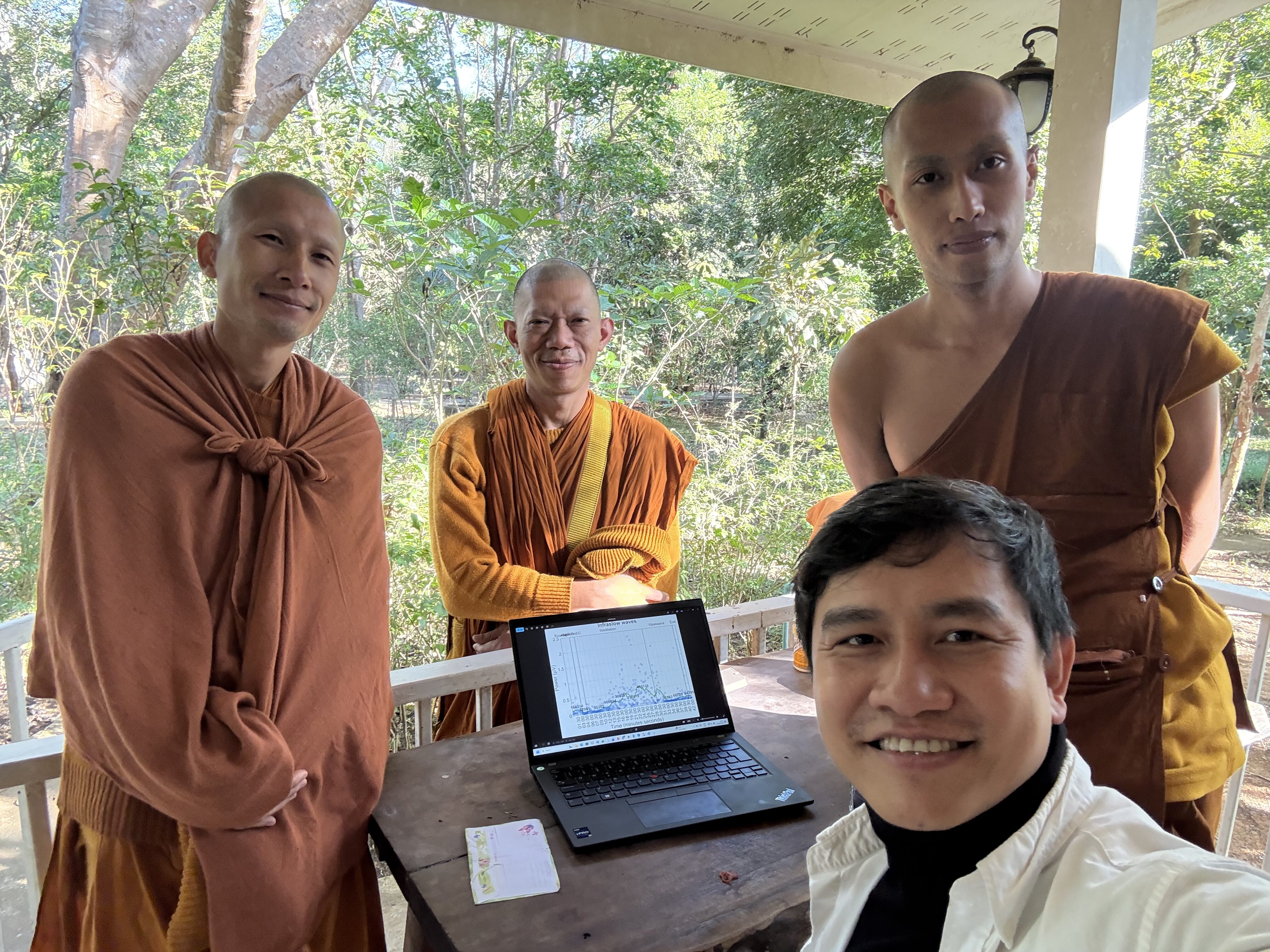
High-level meditators often reside in remote areas or monastic settings, making them difficult to recruit for studies. Additionally, gaining their trust and cooperation can be challenging due to their dedication to privacy and their practice. Research involving expert meditators must navigate ethical considerations, such as respecting their privacy, cultural beliefs, and the potential impact of scientific scrutiny on their spiritual practices.
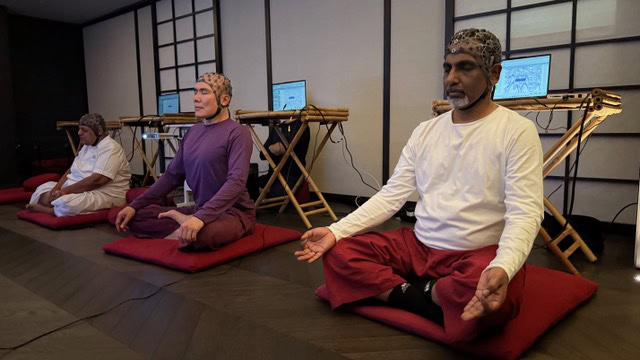
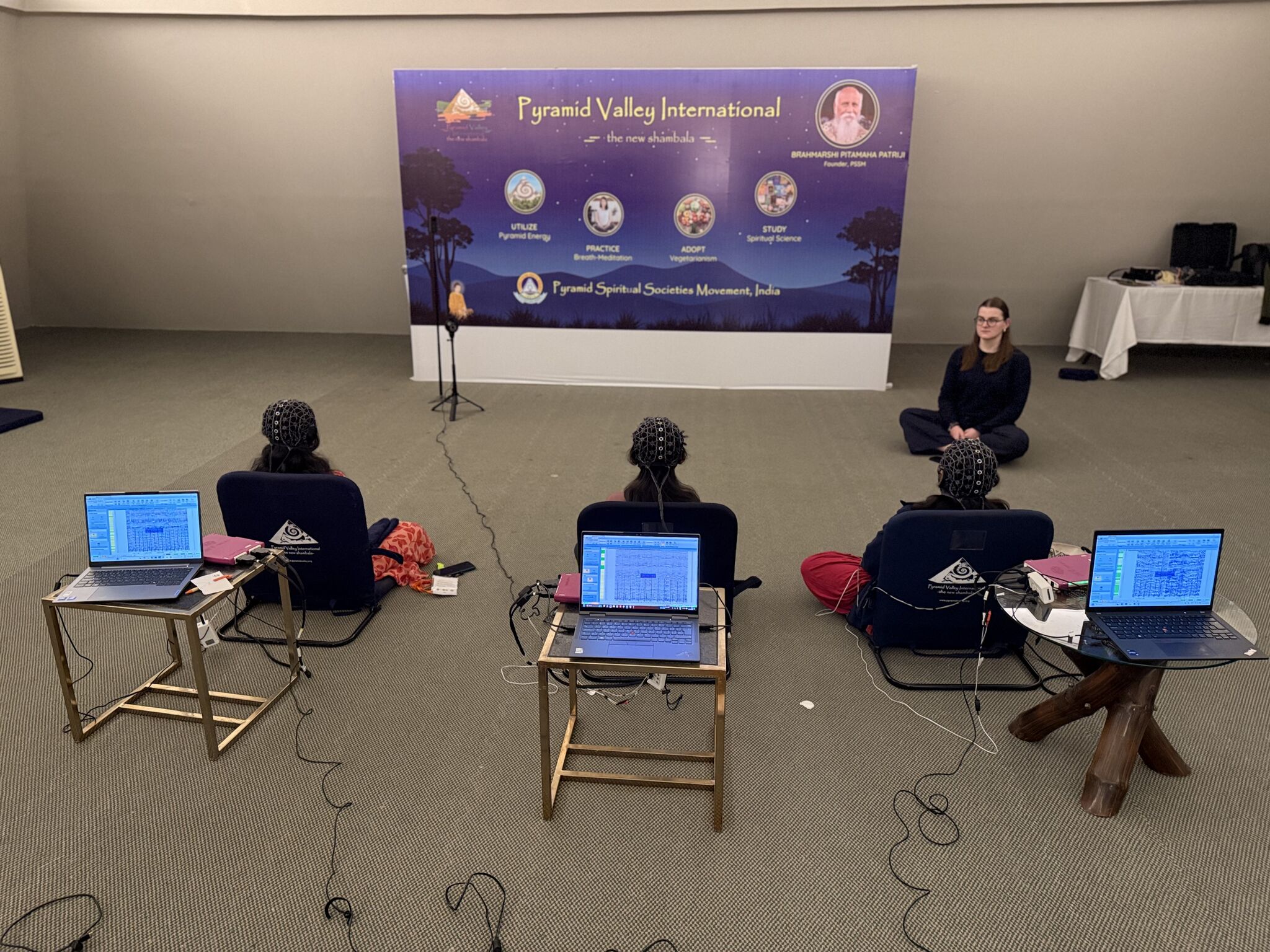
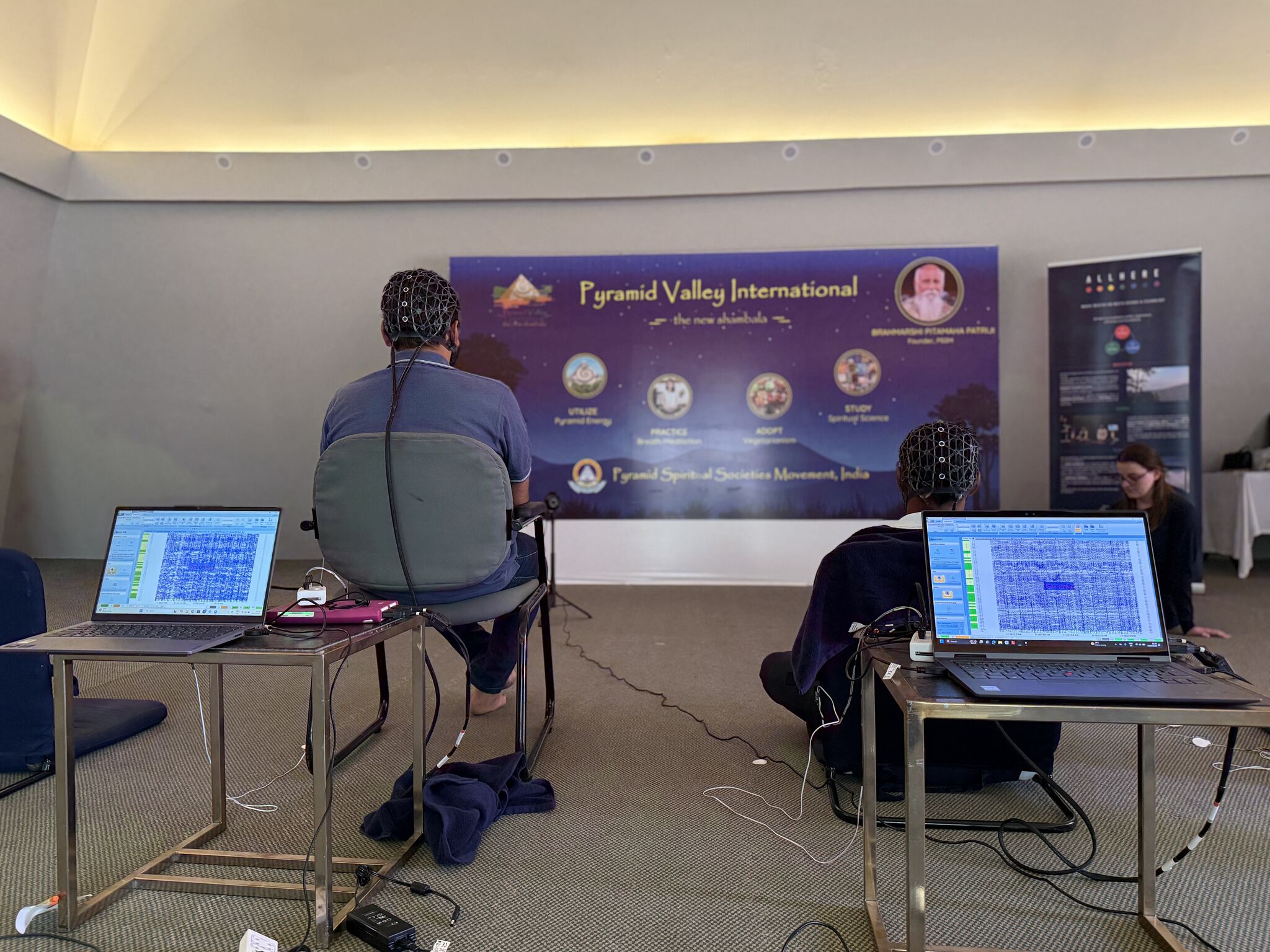
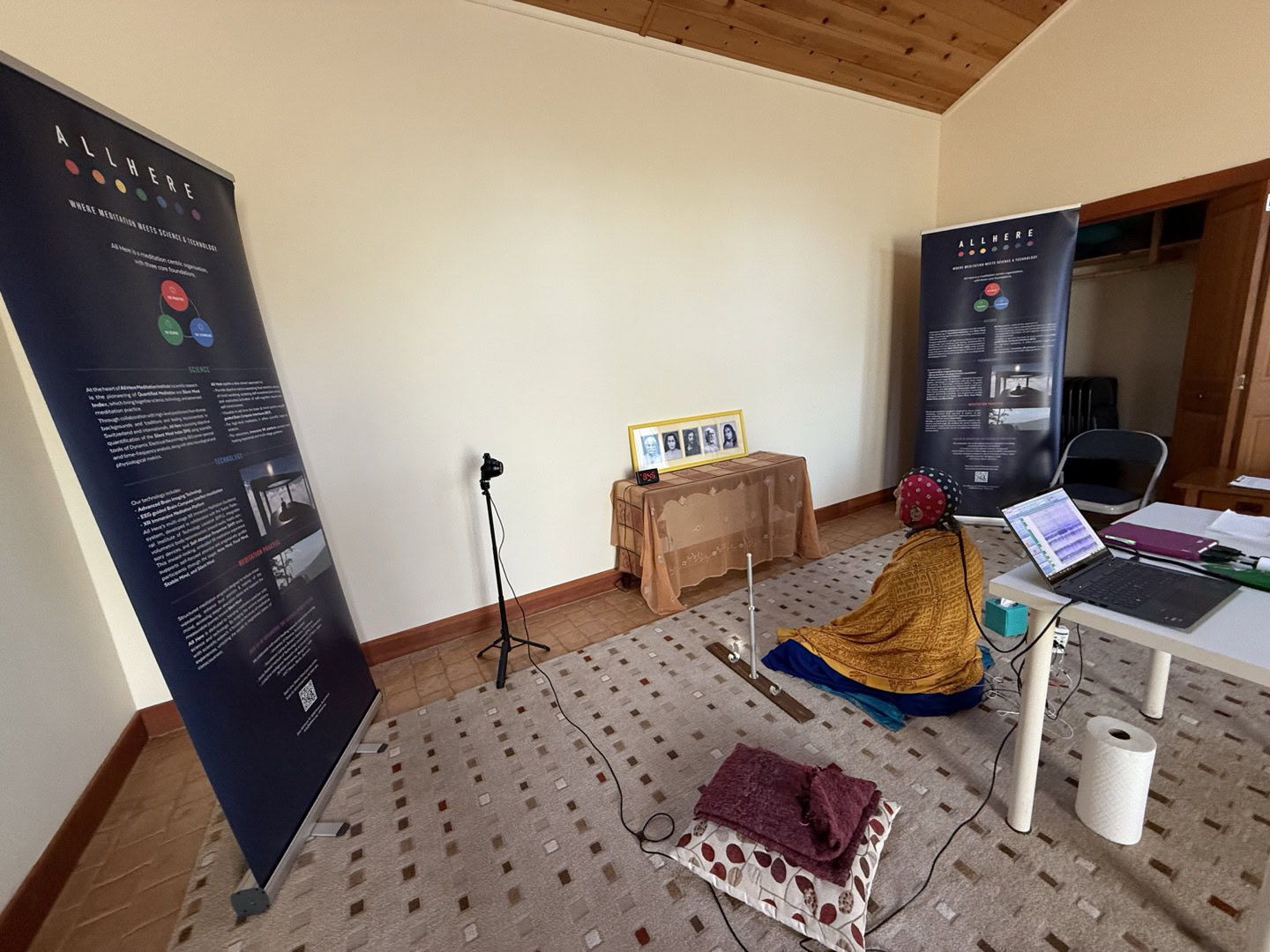
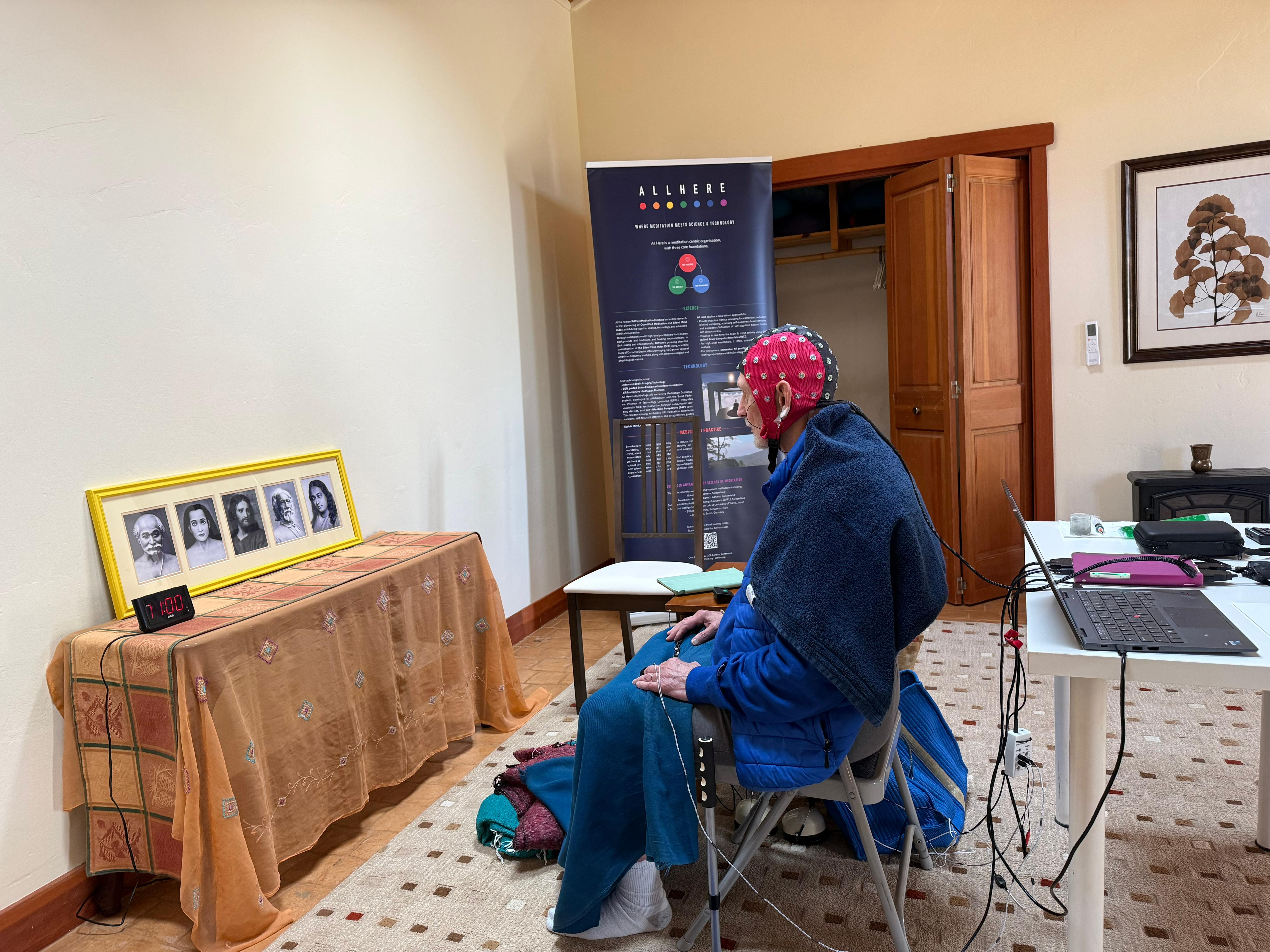
In scientific publications, the meditation experience of practitioners is frequently categorized based on quantitative metrics such as the total hours of practice, frequency, and duration of sessions. The question arises whether these quantitative measures always correlate with the qualitative level of meditation attained by the practitioner. To understand the meditative states of expert meditators, combining objective measures (such as EEG to monitor brain activity and other measurements to monitor the physiology) with subjective reports (self-assessments of experience) is essential. Interpreting subjective experiences in a standardized and reliable manner requires methodological attention.
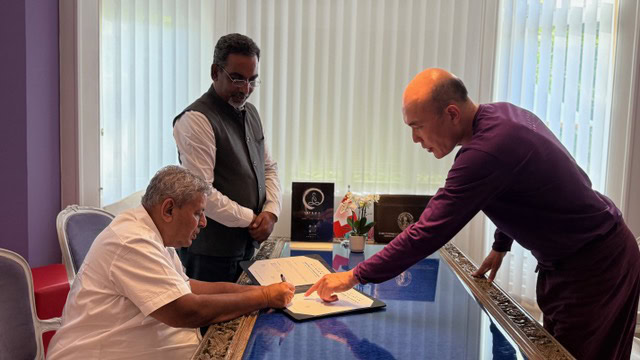
Addressing these challenges requires interdisciplinary collaboration, innovative research methodologies, and a deep respect for the traditions and practices of expert meditators. As research progresses, overcoming these hurdles will contribute to a more comprehensive understanding of the potential benefits and mechanisms of meditation.
“Our goal is to offer a comprehensive suite of services tailored specifically to the needs of experienced meditation practitioners, allowing them to gain deeper insights into their meditative practice, monitor their progress, and optimise their overall experience.”